- Appearing in a photo does not mean owning its copyright. The photographer is generally the author under South African copyright law.
- Authorship and ownership are different. Copyright may belong to an employer or commissioning party, depending on the circumstances and the contract.
- Pixel Kollective retained copyright in the Ntando Rambani case. Its terms overrode the default rule that ownership would have vested in the commissioning party, Homecoming Events.
- Crediting a photographer is not permission to use an image. Social media posts, shares and attribution do not authorise commercial reproduction.
- Commercial users must secure copyright permission. Brands and influencers should confirm who owns an image before using it in advertising, sponsored content or marketing. *
A recent copyright dispute involving media personality Ntando Rambani (née Duma) and photographic agency Pixel Kollective has highlighted a common misconception about photographs and copyright.
The dispute arose after a photograph, in respect of which Pixel Kollective owned the copyright, was allegedly used in a commercial advertising campaign without Pixel’s permission.
Although Pixel was credited when the image was originally shared on social media, the subsequent commercial use of the photograph ultimately resulted in a damages award for copyright infringement.
The case raises an important question: who owns the rights to a photograph? The person depicted in it, the photographer who captured it, the person who employs the photographer or the person who commissioned the taking of the photograph?
Not straightforward
The answer is not always straightforward.
With social media making photographs instantly accessible and easy to share, it is common for individuals and businesses to assume that a photograph may be freely reused provided the photographer is acknowledged.
However, while attribution may be courteous and, in some circumstances, contractually required, it does not authorise the reproduction or commercial use of a copyrighted work.
In South Africa, copyright in original photographs is governed by the Copyright Act 98 of 1978. A photograph is an artistic work for purposes of this Act, and the “author” of a photograph is the person responsible for its composition.
Importantly, authorship and ownership are not necessarily the same. While copyright generally vests in the author, until it is assigned, the Copyright Act provides circumstances in which ownership may initially vest in another person.
Commissioning photographs
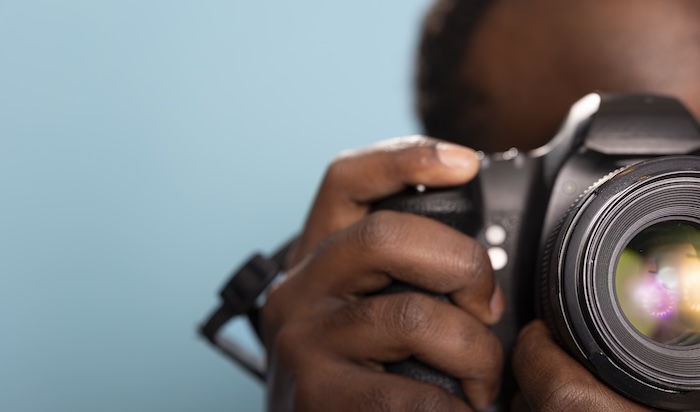
In the context of photography, the person who takes the photograph will generally be the person responsible for its composition and, therefore, its author. However, this is a question of fact. The person appearing in the photograph is not its author simply because they contributed to the scene.
In the Ntando Rambani matter, the Court considered whether Rambani’s attire, appearance, make-up, hair, pose and input regarding the location made her responsible for the composition of the photograph. It concluded that these contributions did not make her the author of the photograph.
Ownership of copyright in a photograph may nevertheless vest in someone other than the author. Where the photograph is authored in the course of a contract of employment, service or apprenticeship with a newspaper, magazine or similar periodical (i.e. a media business), and is made for this purpose then the media business is the owner of the copyright in the photograph in so far as it relates to publication of the photograph in the newspaper, magazine or similar periodical but in all other respects the author is the owner of the copyright.
Copyright ownership
Where a person commissions the taking of a photograph, pays or agrees to pay for it, and the photograph is made pursuant to that commission, the commissioning party is the owner of the copyright. Importantly, however, this statutory ownership rule applies subject to any agreement excluding its operation. The parties can therefore agree to exclude the default ownership rule.
This distinction was particularly relevant in the Rambani dispute. Pixel Kollective had been commissioned by Homecoming Events to photograph the event and was paid for its services. This arrangement would have vested ownership of the copyright in Homecoming Events.
However, in this case, the evidence showed that Pixel’s standard terms provided that copyright remained with Pixel unless otherwise agreed. In other words, the parties agreed to exclude the statutory ownership rule. The Court accordingly found that Pixel had retained ownership of the copyright despite having been commissioned by Homecoming Events to take the photographs.
Get permission
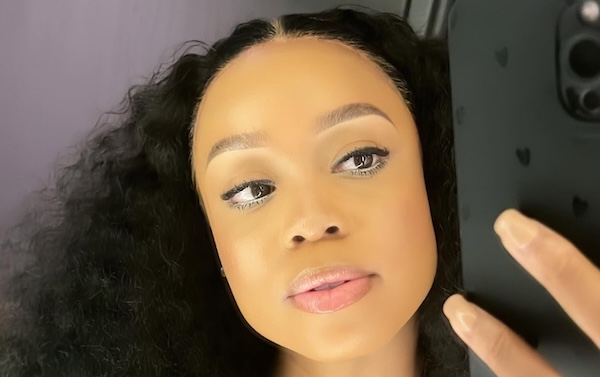
Importantly, the position is unaffected simply by who appears in the image. The subject of a photograph may have separate rights relating to privacy, personality or contractual arrangements, but those rights are distinct from copyright ownership.
Being depicted in a photograph does not, by itself, give a person ownership of the copyright in the photograph.
This distinction has become increasingly relevant as brands, influencers and content creators regularly reuse photographs across social media platforms and marketing campaigns.
A photograph may have been posted publicly, shared by the individual featured, or credited to the photographer, but none of these factors necessarily entitles a third party to reproduce or use it for commercial purposes without the copyright owner’s permission.
Before using a photograph in advertising, promotional material or sponsored content, businesses should therefore ensure that they have obtained the necessary permission from the copyright owner.
Simple lesson
Equally, influencers and public figures should be aware that their ability to use images of themselves may be subject to consent from the copyright owner, particularly where the images are used for commercial purposes rather than merely shared as part of ordinary personal social media activity.
The recent dispute serves as a timely reminder that copyright protects the original expression embodied in a photograph, including the skill, judgment and creative input involved in its composition. It also demonstrates why it is important to distinguish between the person depicted in the photo, the author of a photograph and the person who owns the copyright in it.
The lesson is a simple one: crediting the photographer may acknowledge their work, but it is not a substitute for obtaining permission to use it.
* Summary created by AI
Written by Amani Patel, with oversight by Marco van der Merwe (Partner) at Spoor & Fisher
Spoor & Fisher is Africa’s largest specialised intellectual property law firm, with deep African roots and a global reach. The firm specialises in all aspects of IP law, including trade marks, copyright, patents, registered designs, anti-counterfeiting, commercial work with an IP flavour, and litigation in these fields. Spoor & Fisher is ranked in the top band in the latest editions of leading legal directories, both local and international, and has a reputation for pioneering innovations and contributions to IP law and academia. Clients have trusted the firm to protect, manage and enforce their IP across Africa and the Caribbean for over 100 years.