- The Education Desk is a new independent, non-profit newsroom focused on improving coverage of South Africa’s education system.
- The nine-month pilot focuses on early and foundation phase education, where strong learning foundations are critical to later outcomes.
- EdDesk aims to fill a gap in specialist education reporting, combining on-the-ground journalism with research and data.
- Its solutions-focused approach will investigate systemic failures while highlighting interventions, partnerships and innovations that show promise.
- The newsroom is a project of the Henry Nxumalo Foundation and works with media partners to publish its reporting while maintaining editorial independence. *
South Africa’s education system has a new dedicated newsroom. The Education Desk (EdDesk), an independent, non-profit newsroom launched by the Henry Nxumalo Foundation, puts education back at the centre of public-interest journalism through in-depth, solutions-focused reporting from classrooms across the country.
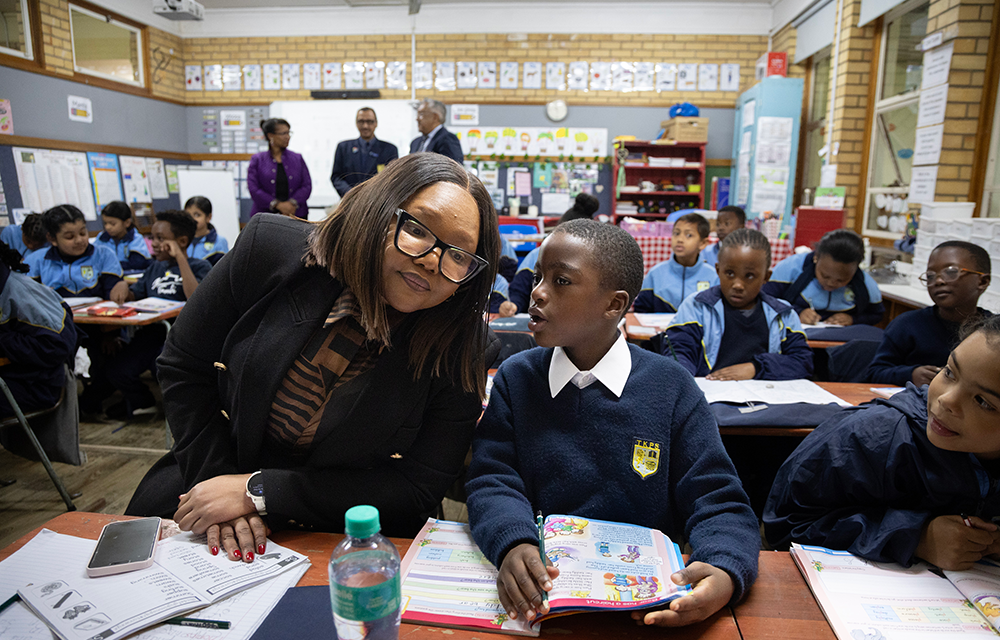
Currently in a nine-month pilot phase, EdDesk is focusing on early and foundation phase education, producing research-based, data-driven stories that explore both the systemic challenges facing schools and the interventions that are making a difference.
For Anton Harber, founder and executive director of the Henry Nxumalo Foundation (and Our City News), the project is a response to a growing gap in South African journalism.

“I was tired of journalists doing nothing but sitting around bemoaning the decline of our profession, the shrinking of newsrooms and the devastating impact this was having on coverage of critical areas like education,” Harber says. “Better, I thought, to try something new to enable the quality, independent reporting that can help address the problem.”
Filling a gap in public-interest reporting
Education touches every South African, but dedicated education reporting has become increasingly rare, Janet Heard, editor of The Education Desk, believes.
“Education impacts everyone in some way, and the country’s future rests on a functional schooling system. Yet there are only a handful of specialist education reporters in the country. All too often, coverage is patchy and superficial,” Heard says.
EdDesk’s mission is to change that by providing expert, focused reporting that is grounded in research, informed by data and reported from schools and communities across South Africa.
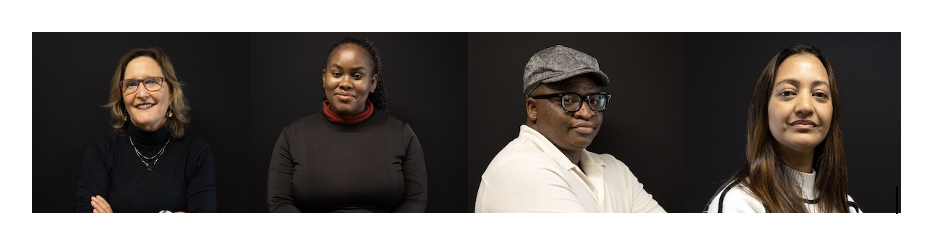
The virtual newsroom launched in August with senior reporter Velani Ludidi in the Western Cape and reporter Mandisa Makgakga in Gauteng, supported by a network of freelance journalists in other provinces. The Henry Nxumalo Foundation provides strategic support, administration, social media and impact management, as well as photo editing.
Rather than publishing through a single outlet, EdDesk works with media partners while also publishing stories on its own website, newsletter and social media platforms to maximise reach.
Why start with foundation phase?
Education is one of the country’s biggest and most complex beats, and Heard says the newsroom deliberately chose to start where learning begins. “We are focusing on the foundational years to ensure quality, expertise and depth in our reporting, but also because these early years determine later educational outcomes.”
She says the pilot will dig deeper than the familiar headlines about South Africa’s reading crisis. “We are losing learners at the get-go. We need to move on from the ‘crisis’ headlines and understand why so many children are falling behind in the earliest years of schooling.”
While the pilot focuses on foundation phase education, EdDesk says it will continue to respond to major developments across the broader education landscape.
More than reporting problems
EdDesk describes itself as a solutions-centred newsroom, but that does not mean avoiding difficult stories. Heard says accountability remains central to its journalism.
“We hold government, politicians, businesses and civil society to account by tracking progress and promises, and revisiting stories to ensure serious issues don’t slip through the cracks,” she says. “We are unforgiving in calling out failure, but fair and balanced in our approach.”
At the same time, the newsroom wants to shine a light on programmes, partnerships and innovations that are producing measurable results.
As Heard points out, “We play a public-interest role in not only focusing on systemic problems but finding workable solutions and shining a spotlight on interventions, partnerships and innovations that are getting promising results.”
Journalism is part of the infrastructure
Harber believes a strong education system needs more than classrooms, libraries and laboratories. It also needs independent journalism.
“If we are to fix our education, we need all stakeholders – teachers, parents, learners, government officials, NGOs and activists – pulling in the same general direction,” he says, adding that, “Good, trustworthy news media can provide the communication to help make this happen. And it can hold to account all those who are not pulling in that general direction.”
Heard agrees, arguing that public-interest journalism should be viewed as essential infrastructure for a functioning democracy.
“Public-interest journalism, in its true definition, is integral to ensuring accountability and transparency in functioning democracies. Journalism is an infrastructural necessity, not a nice-to-have,” she says.
Protecting editorial independence
Although EdDesk is a project of the Henry Nxumalo Foundation, Harber says the foundation’s role is to safeguard, not direct, the newsroom’s journalism.
“Having the Henry Nxumalo Foundation as owner preserves and protects EdDesk’s independence. It stands between the journalists and the funders and anyone else who might want to interfere, to ensure they respect each other’s space and work.”
Media partners are free to publish EdDesk’s reporting, he says, but they cannot influence its editorial agenda.
Looking beyond the pilot
Success, Harber says, will be measured by whether the pilot proves the value and impact of specialist education journalism.
“Success of the pilot would mean that we have proven the value and impact of our work and we can get the support to continue and grow,” he says. “The field of education is huge, so there is a lot of work to be done.”
EdDesk’s long-term ambition is to expand its coverage across South Africa’s education system while becoming a trusted journalism hub for policymakers, educators, parents, learners, civil society and the broader public.
* Summary created by AI.
You can sign up to The Education Desk newsletter here.