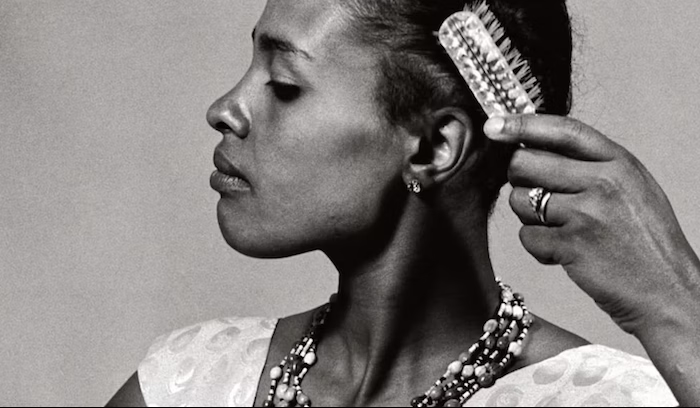
- Drum magazine, launched in South Africa in 1951, became a prominent Pan-African publication, with regional editions spanning eight African countries.
- Media scholar Wanjirũ G. Mbure’s book, Out For Glamour In Africa, examines how women used Drum to shape their identities, aspirations and opportunities in urban Africa.
- Drum portrayed African women as participants in modern urban life, including fashion, beauty, professional careers, culture and nation-building.
- Women contributed to Drum as journalists, writers, readers, subjects and content-shapers, challenging the perception that its legacy was predominantly male.
- Drum’s representation of women reflected the changing social, political and economic realities of African cities during the independence era, while also negotiating beauty, gender, consumerism and modern African identity. *
Drum magazine was an African institution in the 1950s and 1960s. Launched in South Africa, it would go on to publish five regional pan-African editions across eight countries.
Much has been made of the male reporters of the magazine, but a new open source book considers how women used it to shape their worldviews and opportunities. We spoke with media scholar Wanjirũ G. Mbure about Out For Glamour In Africa.
What was Drum?
Initially known as The African Drum, Drum magazine started in South Africa in 1951, three years after apartheid was signed into law. The system of white minority rule would violently disenfranchise Black South Africans.
This was particularly evident in cities like Johannesburg, where large numbers of Black South Africans migrated from rural areas to work on mines. With little investment in housing and social services, they were forced to live on the outskirts of the city.
Magazines thrived in this period, looking to appeal to growing European and African urban consumers. Drum’s founder, South African sportsman turned journalist Robert Crisp, viewed it as a magazine that would connect Africans across the continent and the Black diaspora. It would preserve African traditions and identities at risk of disappearing in the face of colonial policies.
Urban quality
Crisp left the venture shortly after it began, and one of the magazine’s investors, Jim Bailey, took over. Under a series of carefully selected editors, Drum took on a distinctively urban quality. It gained Pan-African prominence over the next 20 years, with regional editions in west, east, and central Africa.
The magazine included feature articles of various lengths, full-colour adverts and cover images of African women, women of African descent from across the diaspora, and prominent male African political figures. Columns and photographs created by a mostly Black staff covered sports, crime, fashion, culture and politics.
Content in regional editions reflected local realities, but was similar in how women were represented. Analysing the South African and west African (Ghana, Nigeria) editions alongside the east African one (Kenya, Tanzania, Uganda) allowed me to understand the Africa-wide scope of Drum.
I was interested in how advertisers shaped this outlook, how editions differed, if at all, and in how it engaged with women as contributors, subjects and readers.
So, how were women represented?
Women’s representation was transnational: a shared pursuit of urban success and upward mobility in cities across Africa, the US, the Caribbean and Europe. In the 1950s, similar migratory changes are also taking place in Europe.
As wages increased in some African cities, permanent family migrations to urban areas became possible and there was a marked increase of women in cities. As their purchasing power grew, so did advertising targeting them.
With a surge of African nations attaining independence from European colonisers, cities became even more attractive. Professional opportunities grew, some cultural activities, like cinema and theatre, that had previously been reserved for Europeans became available to some Africans.
New social and cultural institutions, like museums and media, were also established. These changes shifted women’s roles as they entered new urban spaces and professions.
Interconnected realities produced a new form of femininity I call “femme urbAfricana.” In it, a woman’s role in the city was reimagined as acceptable and legitimate. In Drum, there’s a focus on the different ways that women are taking part in city life, what they wear, and their connection to women outside their immediate environment who are also claiming their place in the city.
Pioneering women
Women’s appearance and appeal to the opposite sex are central. But women are also pioneers of urban culture and life.
With independence, ordinary Africans were talking about national identities and their role in nation-building. Drum, for example, featured several competitions for national dresses in new countries.
The magazine profiled pioneering women like Ugandan lawyer Mary Ilero-Uchong, Tanzanian athlete Theresia Dismass and South African golfer Mary Mafokeng. Several stories discussed African first ladies and politicians’ wives as ideal models of African femininity.
Drum’s reporting about the place of modern cosmetics and western fashion in definitions of African womanhood resulted in a renewed focus on beauty and fashion in the modern nation-state.
One example is a story in Drum about Gladys Nguyo, a Kenyan beauty expert and contestant in Miss Uhuru, an independence celebration pageant. After being trained in cosmetics, Nguyo became one of Kenya’s earliest beauty professionals.
In the original articles submitted to Drum that I found in the archive, editorial notes downplay references to Nguyo’s consulting work for the wives of former British colonial military officials.
The editorial notes framed Nguyo as apolitical even as the magazine celebrated her position as an African urban pioneer. The original copy also referenced the ethnicity of the Kenyan women in the accompanying photos, details that were later removed.
Drum positioned Nguyo’s work in cosmetics as one that fulfilled the needs of all women in a new multiracial African nation. The magazine shaped how readers understood this pioneering African woman.
How did African women contribute to and relate to the content?
Black women also contributed actively to the magazine’s vision of urban life. The works of some of its women journalists, like Juby Mayet, may be familiar to readers.
Among the lesser-known women writers for Drum were African-American journalist Glenda Wina and Zimbabwe-born journalist Anne Placido. Features by women such as Kenya’s political activist Philomena Chelagat and Ghana’s dancer and writer Beryl Karikari showed that they enhanced the magazine’s appeal.
The continuity of the magazine’s Women’s Pages section, which began in 1951 with Regina Twala as editor, suggests sustained popularity among female readers. It featured advice on social etiquette, beauty, recipes, child-rearing and managing the home.
Drum also provided pageants and promotions that showcased (and exaggerated) opportunities for urban success. Despite limited air travel opportunities for Africans, for instance, Drum’s inaugural 1952 pageant, Miss Africa, offered the triumphant beauty a paid trip by air to cities in southern Africa.
Others offered a trip to London or the chance to join well-known theatrical productions such as King Kong. Letters from female readers suggest some women hoped the magazine would advance their professional success.
Women readers were far more more involved in shaping the magazine’s content than many might realise.
* Summary created by AI
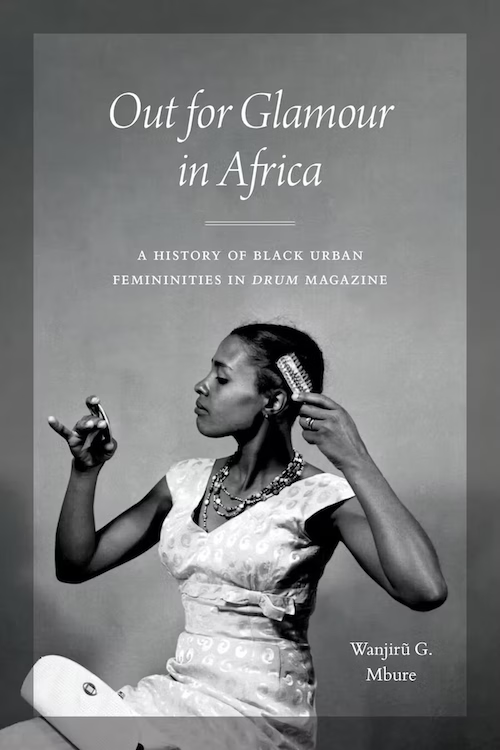
Wanjirũ G. Mbure, Associate Professor of English and Film & Media Studies and Senior Associate Dean, William & Mary
This article is republished from The Conversation under a Creative Commons license. Read the original article.