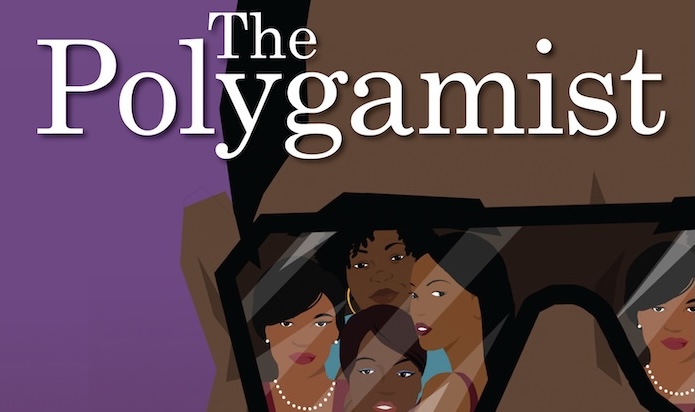
The wild international success of the streaming adaptation of Sue Nyathi’s 2012 novel The Polygamist on Netflix over the past two weeks is truly a proudly African success story.
Written by a Zimbabwean author and set in her home country and told in Zulu, Tswana, and English, produced in South Africa by a local production company, Stained Glass TV, and directed by Nigerian-born South African filmmaker Akin Omotoso, the book and its on-screen adaptation are inspiring immense pride in the continental creative industry.
It’s even drawn plaudits from Hollywood, with Proud Mary star Taraji P. Henson proclaiming that she’d watched all 22 episodes in a one-day binge.
Thanks to the fact that everyone is talking about the series and it’s trending on charts and ‘most-watched’ lists across and beyond Africa, people are also discovering or re-exploring the novel, 14 years after its original release.
Pirated copies of The Polygamist
The problem is that many of those people are discovering it via a PDF of the text that’s being widely shared on social media and via WhatsApp. Pirated print copies of the book have also appeared in shops in Kenya – and, undoubtedly, other countries.
This practice compromises the tremendous investment of time, money and work put in by Nyathi and her publishers in writing, publishing, distributing and publicising the much-loved novel, as well as that of the producers, cast and crew who made the streaming adaptation and the significant financial contribution of the streamer in funding its production and marketing.
Simply put, sharing the PDF of the text of The Polygamist – or any copyrighted work produced in print, digital or visual format – is theft and every share does incalculable damage to the African creative industry. While sharing it seems like an innocent act and appears to show support for a proudly African creative work, every single person who passes on and reads the PDF document is committing a crime.
Losing talents forever
The act of writing a book is deeply personal and incredibly work-intensive and bringing it from concept to the bookshelf requires and sustains an entire industry. In the TV production world, many producers watch sales figures for compelling novels from authors and then approach them and their publishers to acquire the rights to produce them as films or series.
If the sales aren’t there – not because the story isn’t amazing, but because people are sharing pirated copies rather than buying them – the book may never find its way onto your screen.
In the same way, publishers watch sales when deciding to commission sequels or other works from authors – and slow sales (despite massive interest via pirated copies) may mean their voices aren’t published again, leading many to give up on their writing dreams and pursue other careers.
We can lose them and their talents forever. As consumers, we may never be able to read more of their incredible words or see their characters and stories which resonated so deeply with us, brought to life on screen.
We want more African stories – and for that, we need more authors and writers to be able to dedicate time to nurturing them. We need production companies and publishers to bring them to life. We need distributors to get them out into stores and onto online platforms.
Raising awareness
We need publicity and marketing teams to raise awareness of them. For that to happen, we need people to stop pirating the content our creatives devote thousands of hours to creating for us to enjoy – because every pirated copy, viewed or read, takes money out of the industry.
As consumers, we have an ethical, moral and social responsibility to support our creatives so that they can continue to tell the stories of the characters we love – and take our culture to the world.
A last word on the topic from Nyathi herself: “Writers can barely make a living from book sales alone and you buying [or sharing] a pirated copy is stealing from their livelihood. Please consider that before you buy [or share] a pirated copy. It takes years to write a book and the least you can do to support literary careers is to buy their work.”
If you see original content being pirated – or want to find out more about the work being done by Partners Against Piracy, email copyrightcoalition@gmail.com.
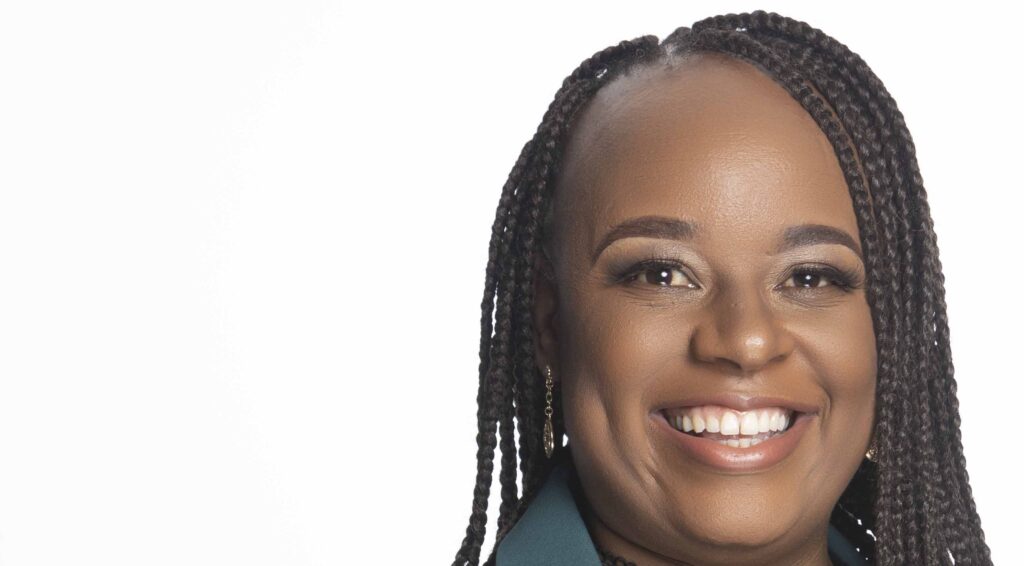
Chola Makgamathe is the chairperson of the Copyright Coalition of South Africa and a key leader in Partners Against Piracy (PAP), a pan-African initiative which fights digital content theft and safeguards the livelihoods of creators across the continent.