South African businesses are likely to face growing pressure to demonstrate the return on their marketing investment in 2027, as economic constraints and tighter budget scrutiny force companies to justify spending against measurable business outcomes.
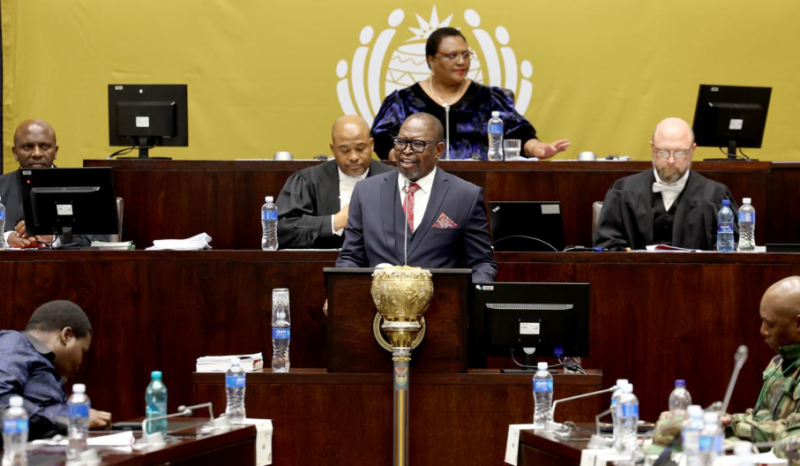
Bradly Howland, CEO of Alkemi Collective, says the questions National Treasury is applying to government programmes in its Medium-Term Budget Policy Statement (MTBPS), tabled on 21 October 2026, are increasingly relevant to corporate marketing budgets.
Treasury reported that programme reviews had identified R38.1 billion in savings over the medium term. Reviews assess whether programmes deliver measurable outputs and outcomes, persistently underperform, or could achieve the same objectives at a lower cost.
The pressure comes amid a subdued economic outlook. Treasury cut its 2026 economic growth forecast to 1.2%, from 1.6% in February. Private-sector investment fell by 1.1% in the first half of 2026, while consumer confidence declined from -7 in the first quarter to -19 in the second. Household spending growth is expected to slow from 2.3% in 2026 to 1.7% in 2027.
Against this backdrop, Howland says marketing teams will need to demonstrate how their budgets contribute to business performance.
“When budgets are tight, finance directors ask what each rand delivers, and marketing is one of the first lines they review. Reports built on impressions, follower counts and advertising value equivalents won’t survive that conversation,” he says.
“Marketing needs to show its effect on the business: brand loyalty, customers retained, leads generated, sales grown and reputations strengthened with the people who matter.”
Governance adds to the pressure
The demand for measurable results also extends to corporate governance. The King V Code on Corporate Governance, which applies to financial years beginning on or after 1 January 2026, includes a dedicated principle on stakeholder-inclusive governance, reinforcing the importance of identifying and engaging with stakeholders.
Howland says marketing and communications have a central role in building and maintaining these relationships, but must demonstrate their contribution to justify investment.
“King V puts stakeholder relationships on the board’s agenda, and marketing and communication carry much of that work. That makes them hard to cut in a tough year, but only if the business can show they are working,” he says.
He argues that businesses need to connect their marketing and communications activity to shared business objectives, enabling boards and finance teams to assess which channels and stakeholder relationships are delivering value.
“When every channel is planned and measured against one business objective, boards and finance directors can see which relationships are strengthening and where budget should go,” Howland says. “Good reporting is what protects the spend.”
For marketing leaders preparing their 2027 budgets, the challenge will be to move beyond activity-based reporting towards evidence of business impact, linking expenditure to outcomes that matter to the organisation.