- Indigenous languages can inspire original advertising ideas when creatives develop concepts from the language itself rather than translate English campaigns.
- Effective indigenous language radio advertising requires cultural understanding, nuanced interpretation, authentic voices and careful sound design.
- South African advertising can draw on indigenous languages, humour, code-switching and lived experiences to create more distinctive, culturally relevant campaigns.
- AI and new production technologies offer opportunities for creative innovation, but advertisers must ensure they do not flatten cultural nuance or overlook African experiences.
- iPendoring celebrates creative work in South Africa’s indigenous languages and provides a platform for recognising and advancing indigenous language creativity through its Indigenous Language Imbizo and Awards in November 2026.
We hear a 15-second radio ad and move on. Done. Next.
But I’ve spent enough time in radio studios to know there can be an entire world inside those 15 seconds. I’ve found myself supervising more than 15 scripts across all 11 of South Africa’s indigenous languages in one day. Voices coming in and out of the booth.
Different accents, different rhythms, different interpretations. Creatives listening, rewriting, recording again. Then the mixing and the sound design: all those little details that create what I love about radio, the theatre of the mind. And somehow, through all of hlakantswiki, you still have to make it sound effortless.
That experience taught me something about the way we value language in advertising. English production often feels like the default track. The process is familiar. There’s usually more time to supervise the writing, performance, and production properly.
Take of the nuances
But when it comes to indigenous language production, that same care isn’t always guaranteed. And I think that matters. The difference between a good indigenous language radio ad and a great one isn’t simply whether the words are correct. It’s whether we’ve taken the time to understand what those words are carrying.
Translation isn’t the same as interpretation. Our languages carry different lived experiences, different ways of seeing the world, different humour, respect, and family. You can’t always find that in Oxford. You find it in people. In communities. In the security guard downstairs.
In the queue marshal at the rank, the garage tenant filling your tire, or the pastor at your church telling a story. In the way your friends joke with you. In the ‘Nikhona’ that makes perfect sense to one group of people in the comments section and absolutely no sense to another. That’s where the magic is.
When you give those nuances the time and respect they deserve, something interesting happens. The indigenous language version doesn’t simply become a translation of the English idea. It becomes its own piece of creative work.
Hearing Mzansi
Sometimes, it can even elevate the original. Now, you’re not just communicating to more people, you’re allowing more people to recognise themselves in the work. You start hearing Mzansi.
I think this is where advertising has an opportunity to rethink its relationship with indigenous languages. For too long, we’ve sometimes treated language as the final step in the process. The big idea happens first. Then we ask: how do we faka iKnorrox for the Vosloorus version? How do we make this work in Spitoli? How do we localise this for Amabhinca?
What happens if we reverse that process? What if we ask, what idea does this language give us?
That’s different. Suddenly language isn’t just the vessel carrying the idea. It becomes part of the idea, the insight, the rhythm, the gag, the tension, the cultural truth. It becomes the starting point. And I think that is where some of the most exciting and genuinely original South African creativity can come from.
The brief for iPendoring asks what becomes possible when we start seeing our languages as raw creative material rather than something to protect. For me, the answer is a lot. There’s still so much of ourselves that hasn’t been explored properly through commercial creativity.
Code switch,remix
We’ve got generations of lived experience, expressions, humour, rituals and stories that don’t need to be borrowed. Close the Google tab and walk away from your keyboard kancane. They’re already in us. We’ve just got to trust them enough to start creating from them.
What’s interesting is that young South Africans are already doing this in music, comedy, on TikTok and across social media. The way young people code switch, remix language, shorten words, go Qoh! when the world slangs and turn everyday phrases into punchlines. There’s an incredible confidence in the way we play with language outside advertising.
Why do we teach ourselves that English is where the big idea lives, and that indigenous languages come afterwards just to make the work look local? I think we should challenge that. If you give a young creative a blank page and say, “don’t translate yourself, start with the language you think in, dream in, and joke in,” we might get something very different. Not a translated idea, but a brand new one. And this feels especially important now.
Look inward
We’re entering a world where technology and AI are changing how quickly we can create, remix and reproduce ideas. There’s an enormous amount of existing creative work for technology to learn from: decades of advertising, global campaigns, and award-winning case studies.
But there are still pockets of African experience largely unexplored as commercial creative material. There are stories that haven’t been seen or heard, expressions that haven’t been turned into ideas, and ways of seeing the world that haven’t been given their proper creative treatment. Maybe we’ve spent too much time looking outward for inspiration.
Maybe the opportunity now is to look inward. Not emuva (respectfully), but inward: into the people we know, the places we come from, the conversations we have and the languages that shape how we think. And then, take all of that into the future.
The gap and the opportunity
Which is where iPendoring comes in. How do we use these tools (AI, new tech, and new production methods) without flattening the culture? Even with all our archives, there’s still so much of ourselves that hasn’t been explored properly through commercial creativity. That’s the gap, but it’s also an opportunity.
iPendoring can be that platform where work created from the language itself is held to a high standard and celebrated.
When we create from our languages (not just translate into them), then the work feels more us. More South African, more now, and more new. That’s where our creativity can really lead. And that’s why South Africa’s biggest creative frontier doesn’t speak English. Chances are e tswa Bozi (“it’s from Vosloo”). It speaks to us.
Join iPendoring for the Indigenous Language Imbizo and the Awards this November, as the industry comes together to celebrate the creative work that brings South Africa’s indigenous languages to life.
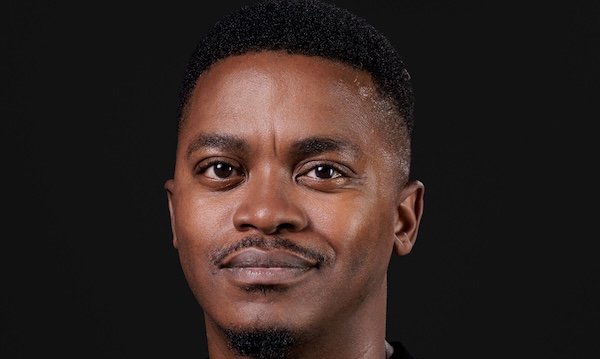
Siyabonga ‘Scoops’ Moloi is an integrated senior copywriter at The Odd Number.
Get your tickets for the Indigenous Language Imbizo here: Get Imbizo tickets
Get your Awards tickets here: Get Awards tickets