

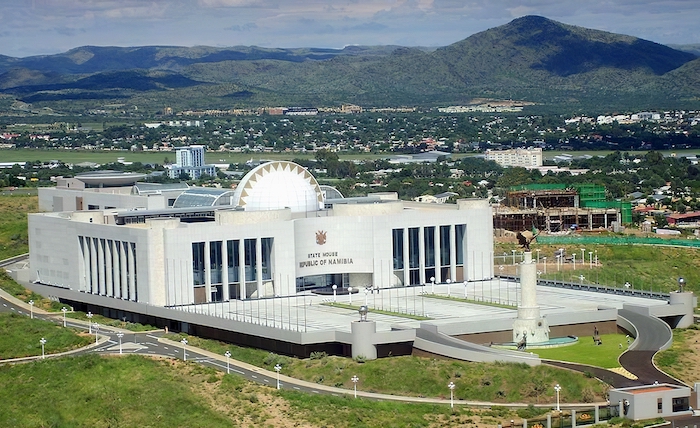
[PARTNER CONTENT] What began as a modest South African student film in 1987 has evolved into one of the most surprising success stories in independent cinema—one that now casts a powerful global spotlight on Namibia. A Fire in Africa, filmed almost entirely on Namibian soil, has re-emerged decades later as an award-winning feature celebrating the landscapes, cultures and communities that shape the country’s cinematic identity, writes ROCHELLE SOMERSET.
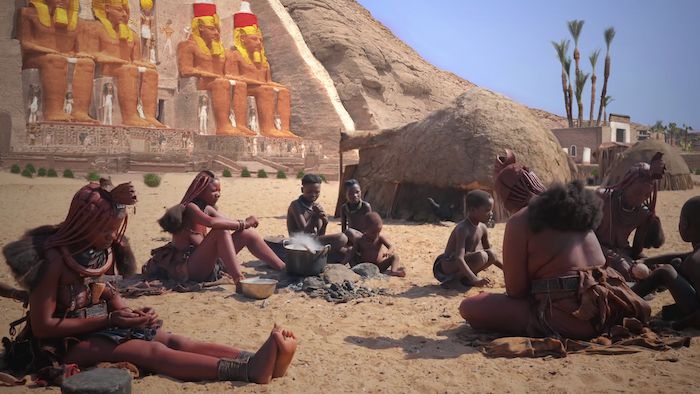
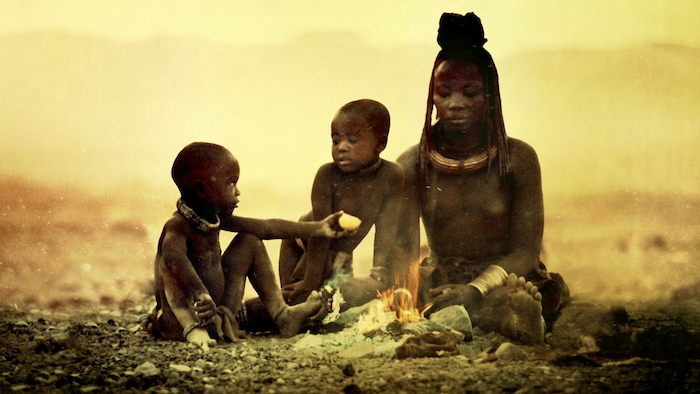
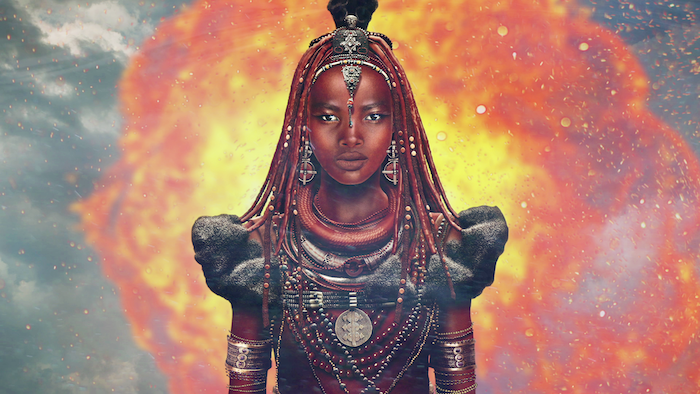
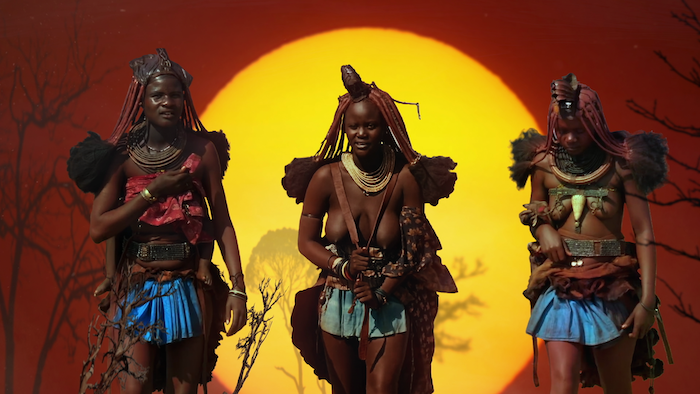
Set in the iconic Namib Desert, the oldest desert on Earth, the film pays tribute to the trials and tribulations of the OvaHimba people and this forms the emotional heartbeat of the story. The OvaHimba are believed to be descendants of the Ancient Egyptians from the era of Queen Nefertiti, and was once the richest nomadic tribe in Africa.

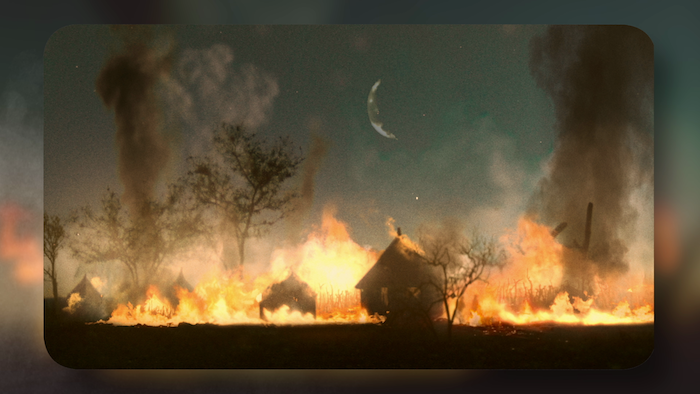
Now, however, they find themselves on the brink of extinction. Trapped in the 1904 Herero-Nama war, they settled in the godforsaken wastes of Kaokoland after fleeing genocide at the hands of the German army. Having grown weary of the name ‘OvaHimba’, which means ‘beggars’, reigning Chief Nguzu believes their only hope for survival lies in the hands of his grandson, Omusuverua.

Stories to inspire the world
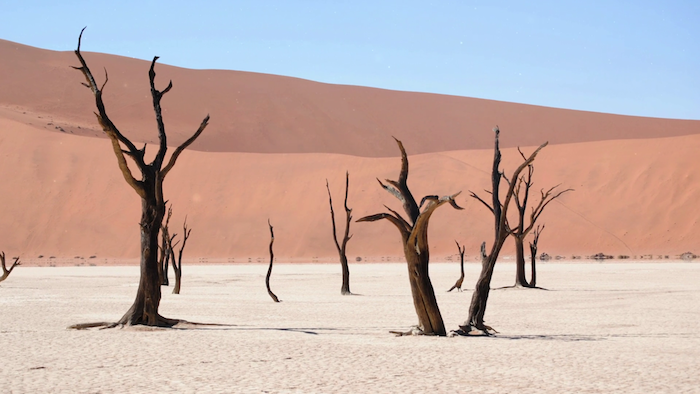
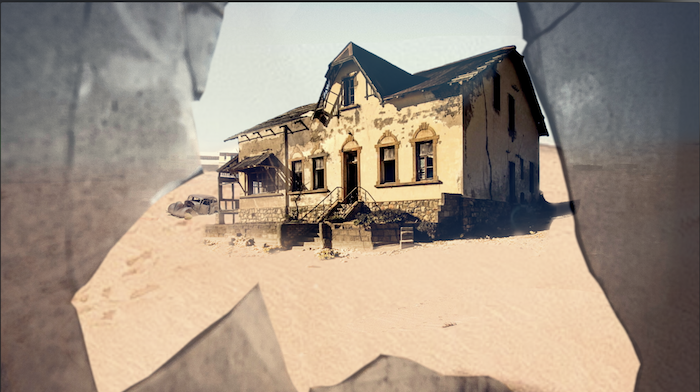
The film showcases Namibia as few productions ever have: the haunting stillness of colonial ruins, the sculpted dunes glowing under morning light, and the deep dignity of a people whose stories continue to inspire the world.
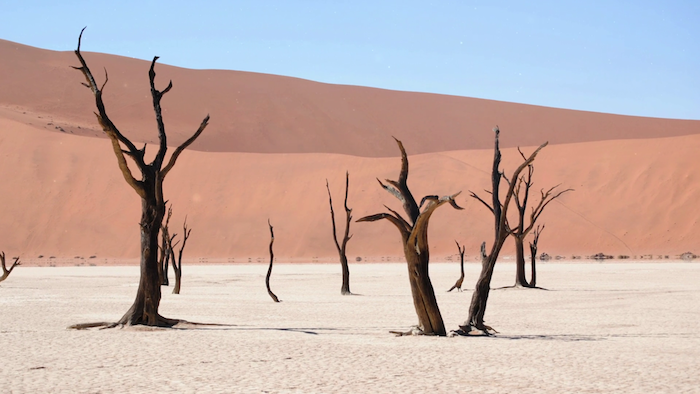
Visually, A Fire in Africa offers one of the most striking portrayals of Namibia ever captured on film: morning light carving shadows across sculpted dunes, the eerie stillness of abandoned colonial settlements, and the quiet strength of a people whose stories remain underrepresented in global cinema.
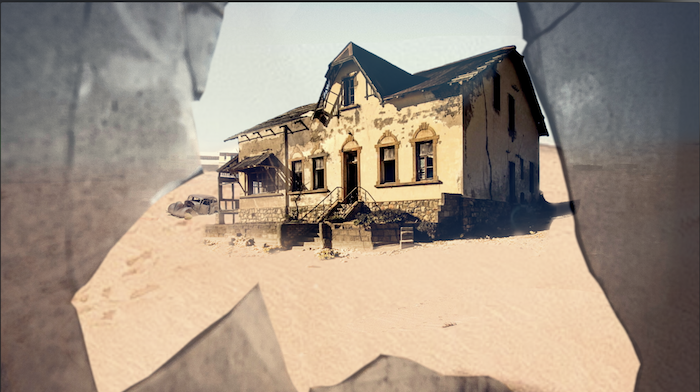
Global critics have praised the film’s visually striking portrayal of the Namib Desert and the people who live there. Every visual detail carries meaning — from the soft jingle of Lady Kaazemua’s ankle bracelets suggesting femininity, to the fading of colour in moments of impending tragedy.
The shifting Namib moon becomes a silent narrator: crescent with foreboding. Even the ghost town of Kolmanskop transforms into metaphor — its decaying buildings revealing the protagonist’s futile search for water, and for meaning, in a desolate world.

A unique cinema story
The journey behind the film is unique in cinema. Director Dr Gerhard Uys completed an early student version in 1987, then paused the project for more than 30 years. When he returned to finish the work, he reunited the original key cast—now older, wiser, and more deeply connected to their characters as stipulated by the screenplay.
 This rare, decades-spanning approach imbues the film with a realism impossible to fabricate: the camera captures genuine growth, the passage of time, and the resilience of both actors and story.
Despite being produced on a fraction of a typical feature film budget, A Fire in Africa, has achieved what few if any independent films manage. It has earned 39 international awards, including 13 Best Picture titles to date at festivals across Europe, Australia, and the Americas.
Today, the film is available worldwide through Filmhub in Los Angeles (see: PickRelay). Relay is accessible via the Apple App Store, Google Play, Amazon Fire TV, and Roku. This gives Namibia exposure to some 300 million viewers in 175 countries, an extraordinary achievement for a film so deeply rooted in local culture yet universal in its message.
Watch the trailer below: