
- South African car buyers are prioritising value, trust and emotional connection, not affordability alone; 74% cite brand trust as the most important purchase factor.
- Bakkies, particularly double-cabs, have become lifestyle and identity products in South Africa, combining work capability with comfort, technology and emotional appeal.
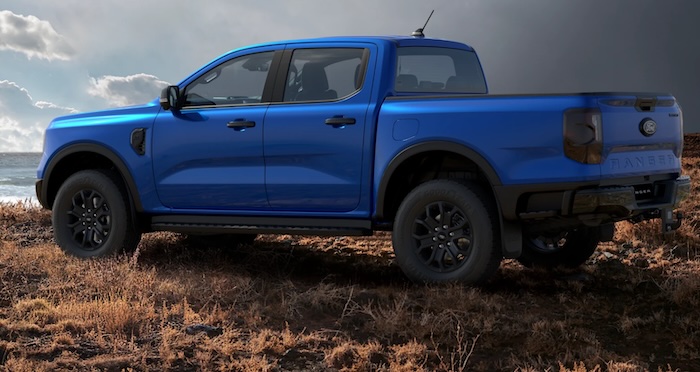
- The Ford Ranger’s local manufacturing strengthens its cultural appeal, with the Silverton plant producing vehicles for more than 100 export markets and supporting local jobs.
- Value expectations span all income groups: budget-conscious buyers still expect strong technology, features and service, making smarter value more important than simply cutting prices.
- Dealer networks are central to long-term automotive loyalty, as customers increasingly judge brands by the ownership experience, support and trust delivered beyond the vehicle itself.
Think about the last time you bought a vehicle because you felt a genuine connection with it. Was it the reassuring thud of the driver’s door, the instrument cluster designed for you, the smell of leather trim, or the promise of a better driving experience? Some products feel like they “get us”, while others barely register. The difference is emotion.
McKinsey’s latest Centre for Future Mobility report rings true on South African dealer floors, but global averages can obscure one’s reality: South African consumers aren’t simply chasing affordability. They’re demanding value.
And value is felt long before it is calculated. Value is about the right vehicle, at the right price, backed by a credible dealer you trust to still be there next year. That matters increasingly, because trust and value are becoming inseparable in the buying journey.
Around 74% of South African consumers now cite brand trust as the single most important factor in a purchase decision. Ipsos research reinforces this, noting that only 11% of consumers identify price as their barrier to buying.
Sales are driven by product excellence, emotional connection and trust. Emotion, far more than logic, drives many buying decisions. Our brains respond to narrative and feelings first and the spreadsheet plays catch-up. The emotional hook gets customers to the dealership. The value case gets them to sign.
Value lesson 1
The bakkie is an emotional object, not just a ride: South Africans love a bakkie, especially the double-cab. What began as an industrial workhorse now a marker of lifestyle and identity, showing why the value equation was never purely rational.
But our love of the double-cab runs far deeper than practicality: Bakkies blend work and lifestyle, offering structural integrity for demanding jobs alongside the refinement of a modern passenger vehicle. A beautiful bakkie that doesn’t work is frustrating.
A functional bakkie with no soul is forgettable. Owners want a vehicle that gets both right: capability that performs, wrapped in a driving experience that makes them feel something whenever they climb behind the wheel. In a country defined by stark contrasts, this creates a psychological safety net, transforming the vehicle into a technically capable, technology-rich and trusted partner and, for many, an object of pride.
Value lesson 2
Local roots and belonging are where real emotion lives: The Ford Ranger is a cultural icon, and its South African roots are central to that bond. Ford’s landmark investment to modernise local manufacturing transformed the Silverton Assembly Plant in Pretoria into an export hub, sending Rangers across oceans to more than 100 markets, and that carries authentic weight.
No clever marketing copy can manufacture pride like local jobs and a vehicle built where its owners live. That fusion of local pride, economic contribution and technology leadership helps explain why the Ranger isn’t simply bought in South Africa, but beloved here.
It’s why the Ranger has held its position as South Africa’s leading double-cab bakkie, accounting for nearly 27% of double-cab sales in 2025. Ranger buyers aren’t opting for “cheap”. They’re buying genuine capability – towing, durability, comfort and technology – at a price and resale value that make sense across derivatives, from single-cabs and “rap” cabs (Cab-and-a-half) for work fleets to the double-cab Tremor for lifestyle buyers. Sales through 2026 show the Ranger maintaining its place, ahead of newer entrants which are still building the trust, backup and ownership experience buyers value.
Value lesson 3
Emotion cuts across every price point: One critical finding from the McKinsey study should guide every product and pricing decision in this market: Budget-conscious consumers hold the same expectations for features, technology and service as so-called affluent buyers. Affordability pressure does not lower standards or expectations of feeling valued. It creates demand for smarter value, emotionally as much as financially.
Globally and locally, value has become a primary purchase lever across income brackets. For Ford and other established manufacturers, competing here means resisting the temptation to strip cost from a vehicle simply to hit a price point, because doing so can strip out the product’s soul. It means engineering genuine efficiency into the product, such as the expanded Ranger line-up, as a response: Broadening choice across price points without diluting the core promise and feeling that made the brand.
Value lesson 4
The emotional contract with the dealer network: You rarely hear it in showroom conversations, but it matters as much as any vehicle specification: How well a manufacturer treats its dealer network is crucial in a value-driven, emotion-driven and high-pressure competitive market. Understanding dealer partners’ motivations and frustrations isn’t a soft add-on to strategy. It’s the lynchpin.
In a market where 28% of buyers globally say they’re open to switching brands entirely, and as new entrants multiply, dealer satisfaction is no longer a back-office metric, but rather a leading indicator of which OEMs will still be standing, with functioning parts pipelines, confident sales teams and customers who feel they belong, when the next downturn or wave of competitors arrives… or opts to bail out.
Value lesson 5
Customers don’t just buy, they belong: The point here is not that affordability doesn’t matter. Affordability without value is a losing strategy, value without emotion is forgettable, and value without a properly supported dealer network is unsustainable. The Ranger’s category leadership is no accident of loyalty, but comes from engineering genuine value and feeling into the vehicle, backed by a dealer network that’s invested in, measured and improved year after year.
As new entrants reshape the local bakkie segment and mobility trends reach South Africa, that combination – real value at vehicle level, real emotion in the ownership experience and partnership at dealer level – will separate those who merely sell cars from those who build lasting relationships here. When customers see their own stories and aspirations reflected in a vehicle, they don’t just buy it. They belong to it. And that’s why I choose to drive one too.
Ryan Searle is Ford Motor Company of Southern Africa Sales Operations Director