- Storytelling can help increase visibility and recognition for women in sport.
- Sports journalism shapes how athletes, coaches and their achievements are understood.
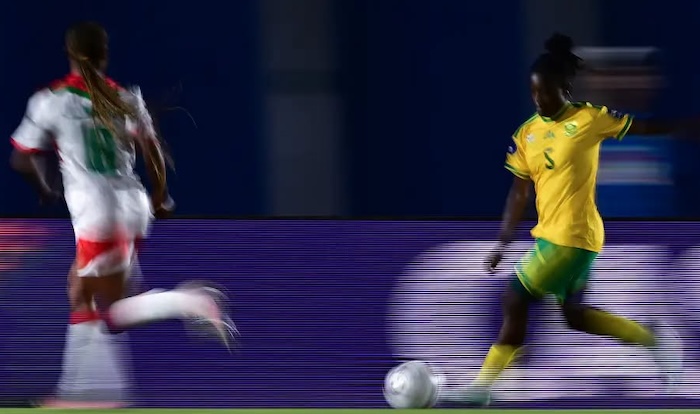
- Women athletes often receive less media attention and depth than their male counterparts.
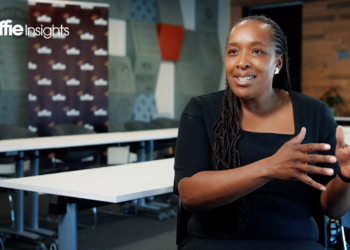
- Lerato Motjale advocates for intentional storytelling that preserves women’s sporting legacies.
- Better visibility can help create opportunities for sponsorship, investment and leadership in women’s sport.
Long before I called myself a sports journalist, I was already studying stories. Growing up, I was drawn to newspapers, reading not only the headlines but also paying attention to how stories were framed, whose voices were prioritised and what narratives were being built.
Even then, I was fascinated by the power of media to shape public perception.
At the same time, I was growing up in a world where women’s achievements in sport were often sidelined. Their victories received less attention, their journeys lacked depth and their contributions were too easily forgotten. It taught me early that the stories behind athletes matter just as much as the trophies they lift because media determines whose legacies endure.
That conviction grew stronger during my time at the Premier Soccer League (PSL), where former CEO Trevor Phillips challenged me every Monday to analyse not just what had been written about the league, but why those narratives mattered.
More than scores
Those lessons taught me to look beyond match results and understand the power of communication. As a sports journalist, I have come to see sports communication as more than reporting scores. It is about shaping public perception, preserving legacies and ensuring athletes and coaches are recognised in their full humanity.
I see myself not only as a storyteller but as a narrative builder and media strategist, intentional about how stories are framed and the impact they leave behind.
In women’s sport, communication carries even greater responsibility because visibility remains part of the fight for equality. Too often, women are celebrated only after winning major tournaments or breaking records, while the leadership, resilience, sacrifices and daily realities that define their careers receive little attention.
Intentional storytelling
That is what drives me as a women’s sport advocate.
One of my proudest moments was writing about Desiree Ellis. Her story was never only about football success. It was about purpose, resilience and leading with conviction long before the spotlight arrived. It reinforced why context matters. Great leadership deserves to be understood, not simply celebrated.
Through my work with the Female Coaching Network, I have had the privilege of profiling South African coaches and sharing their journeys with a global audience. More than publishing articles, I am helping document history and ensuring women who are transforming sport are remembered.
I often describe this work as being a visibility architect, helping create spaces where women’s achievements can be seen, valued and celebrated. After all, people cannot support what they do not see, or value what they do not fully understand.
Telling their truth
Leadership in this space begins with trust. Athletes and coaches entrust journalists with their experiences, and we have a responsibility to tell those stories with integrity and accuracy.
I OFTEN DESCRIBE THIS WORK AS BEING A VISIBILITY ARCHITECT, HELPING CREATE SPACES WHERE WOMEN’S ACHIEVEMENTS CAN BE SEEN, VALUED AND CELEBRATED.
My mission is simple: to change narratives.
Thoughtful storytelling has the power to transform how the world sees women in sport. A single profile can lead to recognition. Recognition can attract sponsorship. Sponsorship can unlock investment. Investment can transform careers, strengthen communities and create opportunities for future generations.
As I continue to grow in this field, I want my work to represent credibility, global representation and purposeful storytelling that challenges outdated perceptions and expands opportunities for the next generation.
Because beyond every scoreboard is a deeper story and that is where my work begins.
Lerato Motjale is a sports communicator, storyteller and women’s football advocate committed to shifting who gets access, visibility and leadership in the game. She’s served as a media liaison and marketing coordinator at the Premier Soccer League, working within elite football environments to shape narratives, manage communications and coordinate high-profile events.