

- Experienced editors play a critical role in shaping editorial standards, developing talent and determining whose voices are represented in media.
- African editorial expertise is essential to reporting the continent accurately, with regional nuance and context.
- International publications should create more opportunities for African researchers, executives, journalists and subject-matter experts to contribute to global conversations.
- Strong editorial leadership combines accountability, rigour and professional standards with mentorship, respect and an openness to diverse perspectives.
- Lynne Smit’s editorial and mentorship approach illustrates the value of leadership that develops talent without diminishing individual confidence or voice. *
The media industry spends considerable time discussing the stories that need to be told, the journalists who should tell them and the publications responsible for bringing those stories to audiences. But we do not always spend enough time recognising the editors who make that work possible.
An exceptional editor does more than commission stories, refine copy or manage deadlines. They recognise talent, understand context, protect editorial standards, challenge assumptions and create opportunities for voices that might otherwise remain outside the conversation.
I have come to appreciate this through my own professional journey, particularly through Lynne Smit, under whose leadership I started my career in public relations. She has remained a mentor to me, and the lessons I have taken from her extend well beyond the newsroom.
And yes, I might be a little biased – I did start my career under her leadership, and I am still one of the people who benefits from her wisdom. But I would argue that sometimes the best people to recognise good leadership are those whose lives and careers have been shaped by it.
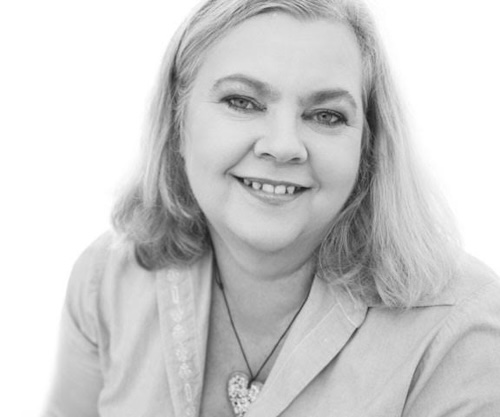
I believe expertise like hers deserves to be recognised and valued by the media industry.
The value of an editor who understands Africa
There is a difference between having an editor who covers Africa and having an editor who understands Africa.
The distinction matters. The continent is not a single narrative, a uniform market or a collection of interchangeable experiences. Its countries have different political, cultural, scientific, economic and institutional environments.
Understanding those differences influences how stories are commissioned, interpreted and presented to international audiences.
An editor working across African stories needs more than an interest in the continent. They need the curiosity and professional experience to recognise regional nuances, identify relevant voices and understand when a story requires additional context.
Editorial judgement matters
Without that understanding, coverage risks becoming generalised. Important regional perspectives can be overlooked, local expertise can be underrepresented and complex developments can be reduced to familiar international narratives.
This is why editorial judgement matters so much. It determines not only what gets published, but also whose knowledge is considered valuable.
Lynne’s experience in journalism, science communication and editorial work gives her a valuable understanding of how to translate complex subjects into accessible stories without losing their substance. Her professional background spans South African and international media, as well as work with international organisations.
That combination of editorial and communications experience is particularly valuable in an environment where scientific, technological and policy developments increasingly require journalists and editors to make complex information understandable to wider audiences.
Making room for African voices is not an act of generosity
One of the qualities I have appreciated about Lynne is her openness to articles and contributions submitted by African professionals.
For African researchers, journalists, academics, executives and subject-matter experts, access to international publications can be difficult. The challenge is not always a lack of expertise or compelling stories. Sometimes it is the difficulty of reaching the right editorial desks, understanding submission expectations or having work considered within established international networks.
An editor who is receptive to submissions from the continent creates an important opportunity for African expertise to enter wider conversations.
That does not mean every submission should be accepted. Nor should the origin of an article determine its editorial value. Every contribution must meet the requirements of accuracy, relevance, originality and quality.
But openness matters.
Unspoken expectation
It means an African researcher does not have to be affiliated with an internationally recognised institution to have a perspective worth considering. It means an executive working in an emerging African industry can contribute meaningful insight.
It means regional journalists and specialists can bring knowledge that may not be immediately visible to editors working outside their markets.
The question should be whether the contribution is credible, relevant and worth publishing, not whether it comes from a familiar network.
African voices should not have to fight an additional battle simply to be considered.
Strong leadership does not require people to become smaller
I have another reason for valuing Lynne’s leadership, and it is a more personal one.
As a confident Black woman finding my feet in the media and communications industry, I was entering professional spaces where women who speak with conviction can sometimes be misunderstood.
There is often an unspoken expectation that you should know your position, understand your place and, above all, be grateful that you have been invited into the room.
For women who are confident, ambitious and willing to challenge ideas, that expectation can become particularly restrictive. Being assertive can be interpreted as being difficult, asking questions can be mistaken for questioning authority, and having an opinion can be seen as forgetting your place.
I have encountered enough of these expectations to understand how easily they can influence a person’s professional confidence.
Valuable qualities of leadership
Lynne did not reinforce those myths.
She understood when to be firm, when to be kind and when to guide. She could correct me without diminishing me, challenge me without making me question whether I belonged and offer direction without expecting me to abandon my personality or confidence.
She did not confuse mentorship with making someone compliant.
I could be the wild card in the room, ask questions, bring a different perspective and express an opinion. That did not mean I was exempt from professional standards or accountability. If something needed correcting, she addressed it.
If I needed guidance, she offered it. But I was never made to feel that my presence was a favour for which I should surrender my voice.
For me, that is one of the most valuable qualities of good leadership: the ability to develop people without making them smaller in the process.
There is a difference between being held accountable and being made to feel that you do not belong. Lynne understood that difference.
Firm without being dismissive
African women should not have to dilute their personalities, soften every opinion or constantly demonstrate gratitude simply to be taken seriously. They need mentors and leaders who can recognise their potential, hold them to high standards and give them room to grow.
Africa needs editors who can be firm without being dismissive
Africa does not need meek editorial leadership. It needs editors who can make difficult decisions, challenge weak arguments, ask uncomfortable questions and defend the integrity of journalism.
The continent does not benefit from publications that simply agree with contributors or reproduce narratives that are convenient. It needs rigorous journalism that interrogates power, challenges institutions, questions business claims and examines the realities behind research and policy announcements.
But firmness and openness are not opposites.
An editor can be demanding without being dismissive. They can challenge a contributor while remaining respectful. They can reject an article without discouraging future submissions. They can hold a team accountable while creating an environment where people feel able to raise questions, disagree professionally and contribute ideas.
Expertise in the African conversation
That balance requires confidence, emotional maturity, sound judgement and professional discipline.
Editorial leadership is not only about what appears on the page. It is also about the environment in which good journalism is produced, the people who are developed and the standards that are protected.
Africa needs more than stories about the continent. It needs its expertise in the conversation.
There is an important distinction between reporting on Africa and creating opportunities for African expertise to shape international reporting.
The continent has researchers producing important scientific work, executives navigating complex industries, entrepreneurs developing solutions to local challenges, policymakers shaping new frameworks and specialists with valuable insights into regional developments.
Their knowledge should not be limited to local audiences.
International publications have an opportunity to bring these perspectives into global conversations, not merely as sources responding to questions but as contributors helping shape the discussion.
This is particularly relevant in science, technology, health and business journalism, where the implications of developments often extend beyond national borders.
Credible voices
African researchers should be able to contribute to international discussions about scientific innovation, public health and emerging technologies. African executives should be recognised as credible voices on the industries they lead.
Experts working within the continent should be given opportunities to explain regional developments rather than having those developments interpreted exclusively by commentators outside the region.
This also requires editors who understand the value of executive insight and know how to distinguish meaningful expertise from corporate promotion.
There is a difference between giving an executive a platform to advertise an organisation and inviting them to contribute informed perspectives that deepen public understanding of an issue.
Good editorial judgement recognises that difference.
The industry should recognise the people who build its future
The media industry is changing. Newsrooms face commercial pressures, audience fragmentation, technological disruption and the challenge of maintaining public trust. In this environment, experienced editors who understand journalism, communication, people and the communities they cover remain valuable.
Institutional knowledge is built over time. It includes relationships with contributors, familiarity with regional networks, editorial judgement and an understanding of the context behind stories.
These qualities cannot always be transferred through a handover document. They are developed through years of professional engagement, curiosity, mentorship and consistent work.
For African journalism, recognising this expertise is particularly important. We need editors who can identify credible African voices, develop emerging talent, share knowledge and ensure that the continent is represented with accuracy and depth.
I am grateful that my professional journey began under Lynne’s leadership. Her mentorship continues to influence how I approach media relations, professional relationships and the broader communications industry.
But this is bigger than my personal appreciation of one person.
It is about recognising that good editors do more than produce publications. They shape professional cultures, influence whose voices are heard and help determine the quality of public conversations.
Smit represents an editorial approach that I believe the industry should value: open-minded but discerning, supportive without being complacent, professional without being inaccessible, and committed to quality without losing sight of the people whose stories and expertise deserve to be heard.
The editors who understand Africa, recognise its expertise and know how to develop people are not simply valuable to individual publications. They are valuable to the future of journalism itself.
* Summary created by AI
Noni Sophe is a South African public relations professional and Founder and CEO of Libango SA, a Pan-African communications and digital marketing agency. Her work spans media relations, strategic communications, executive positioning and business relationships across African markets.
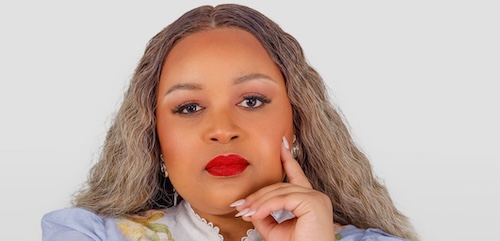
Disclosure: Noni began her public relations career under Lynne Smit’s leadership, and Lynne continues to be her mentor. This article reflects her personal professional experience and perspective.