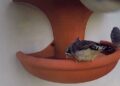
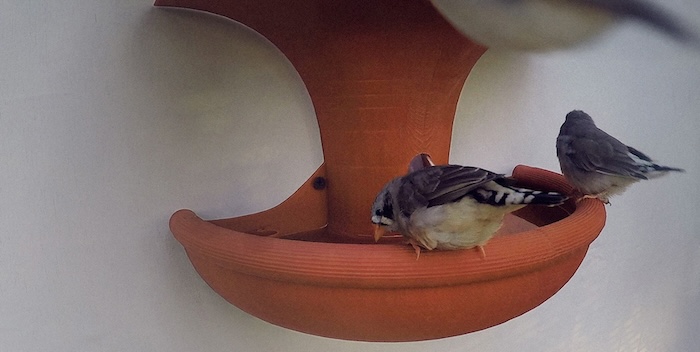
As global temperatures continue to shatter seasonal records, the impact of climate change is being felt not only by people but also by wildlife, especially birds living in cities.
Scientists have found that higher temperatures and limited access to clean water are contributing to a decline in urban bird diversity, with some areas even reporting mass die-offs during extreme heatwaves.
Now Drops of Life, an innovative design, is transforming a common byproduct of city life into a potential solution.
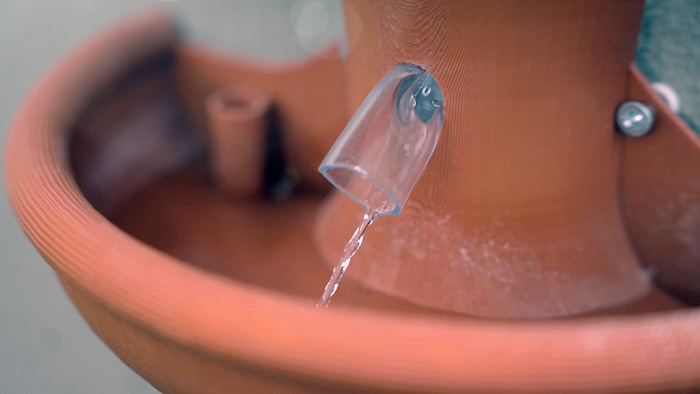
Air conditioning units, increasingly relied upon to combat rising indoor temperatures, produce a steady stream of condensation as they cool interior air. These often overlooked drips can amount to as much as 10 litres of water after several hours of use.
Creative agencies to the rescue
Recognising this untapped resource, creative agencies Machine_ and Leo Burnett Ukraine collaborated on a project to repurpose air conditioner runoff into a reliable water source for birds.
Pete Little, chief creative officer, Publicis Groupe Africa, says: “If a city is hot enough that you need air conditioning, it’s hot enough for the city’s birds to need a fresh water sources.”
The result is a simple, open-source device that channels condensation into a small, bird-friendly waterer.
The design, available for download through the ‘Drops of Life’ initiative, can be produced using 3D printing and installed onto most air conditioning systems. Developed in partnership with ecologists and ornithologists, the waterer is tailored to suit birds’ natural behaviours while ensuring the water remains clean and accessible.
Widespread adoption
Kosta Schneider, chief creative Officer for Publicis Groupe Czech Republic and Ukraine, emphasised the project’s open-source approach, encouraging widespread adoption across cities worldwide.
From Cape Town to Kyiv, Delhi to Los Angeles, municipalities are increasingly implementing strategies to address heat and water scarcity.
The ‘Drop of Life‘ project aims to ensure that urban wildlife, particularly birds, are included in these efforts, turning everyday infrastructure into a tool for environmental support.