As PRISA’s PRISMS Summit & Awards takes place from 22 to 24 October, The Media Online profiles this year’s Top 10 Young Voices, emerging talent shaping the future of public relations and communications in South Africa.
Selected from a competitive pool of youth entries, each brings a distinct perspective to this year’s theme, Kaleidoscope, Patterns of Impact Across Past, Present and Future’, reflecting on the ideas, experiences and ambitions that will influence the profession’s next chapter.
We asked them:
- What do you think is the biggest challenge facing the South African PR and communications industry today, and what role can young professionals play in addressing it?
- South Africa’s communications landscape is shaped by issues such as inequality, social change, political polarisation and declining trust. How should the next generation of communicators navigate these complexities while protecting credibility and reputation?
- AI is rapidly changing how communications work is researched, created and distributed. What do you see as the biggest opportunity — and the biggest ethical risk — AI presents for young South African communicators?
- Young professionals are entering an industry where traditional PR, social media, content creation, marketing and journalism increasingly overlap. What skills do you believe communicators need to remain relevant and influential over the next five years?
- The PRISMS theme, Kaleidoscope: Patterns of Impact Across Past, Present and Future, asks us to think about how the profession is evolving. What is one thing you would change about the communications industry in South Africa to make it more inclusive, innovative or meaningful for the next generation?
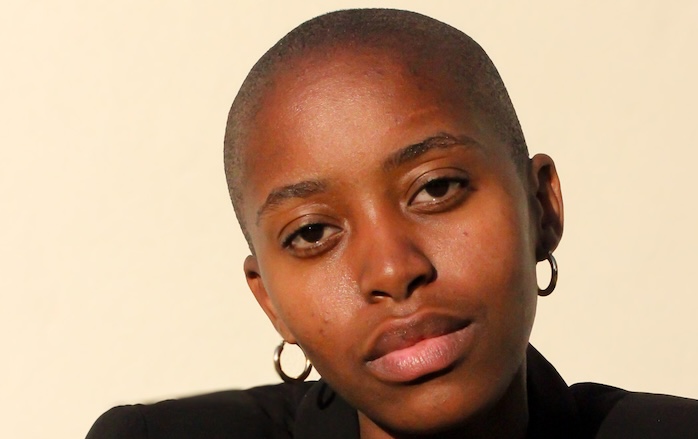
PRISM YOUNG VOICE: BANELE MARELETSE
1. I think the biggest challenge is the gap between how the industry still works and how audiences actually consume information today. A lot of PR is still built on old practices, while people are getting their news, opinions and brand experiences from TikTok, Instagram, podcasts, and WhatsApp groups. Because of that, brands struggle to prove to stay relevant with newer generations.
Young professionals can help bridge that gap. We grew up on these platforms, so we understand how people behave on them. But we also need to respect the fundamentals the industry was built on, like strategy, relationships and ethics. The balance is bringing new ideas into traditional structures.
South Africa isn’t one audience
2. Transparency and consistency. People can tell when a brand or a communicator is only speaking up because it’s trending. Credibility gets built over the long term, and in the details: checking your facts, not overpromising to clients, consistently speaking on company/brand values, being transparent with your publics.
We also need to remember who we’re speaking to. South Africa isn’t one audience, so a message that works in Sandton may land completely differently somewhere else. Listening first, and understanding the context before communicating, will most likely protect your reputation more than any crisis plan.
Authenticity and accuracy
3. The biggest opportunity is that AI levels the playing field. A young communicator on a small team can now research faster, draft faster and produce work with fewer resources and effort without needing a much bigger team or mentor. That frees us up to spend more time on strategy, creativity, and relationships, which AI can’t replace.
The biggest risk is losing authenticity and accuracy. If everyone uses AI the same way, everything starts to sound the same, and we lose the connection with consumers. There’s also the risk of publishing things that haven’t been verified. AI should support our thinking, not replace it, and we’re still accountable for whatever we put out regardless.
Expertise in all formats
4. Storytelling in every format: writing, short-form video, audio, whatever the platform needs. After that, I’d say good verbal and written communication.
Understanding how to communicate and build relationships with journalists, media and stakeholders is something I wish I knew before I got into public relations.
There’s also data literacy and adaptability, so you can read what’s working during each campaign and improve throughout.
Pan-African outlook
5. I would make getting into the industry less dependent on who you know. So many opportunities still move through networks, which means talented young people without the right connections get left out. I’d love to see more paid and accessible entry-level roles and learnerships and more room for young people to contribute to actual work early.
I’d also want us to think more Pan-African. We often treat African markets as separate silos, but the stories, culture and opportunities connect across the continent. If the next generation can work across those borders, the industry becomes more innovative and a lot more meaningful.