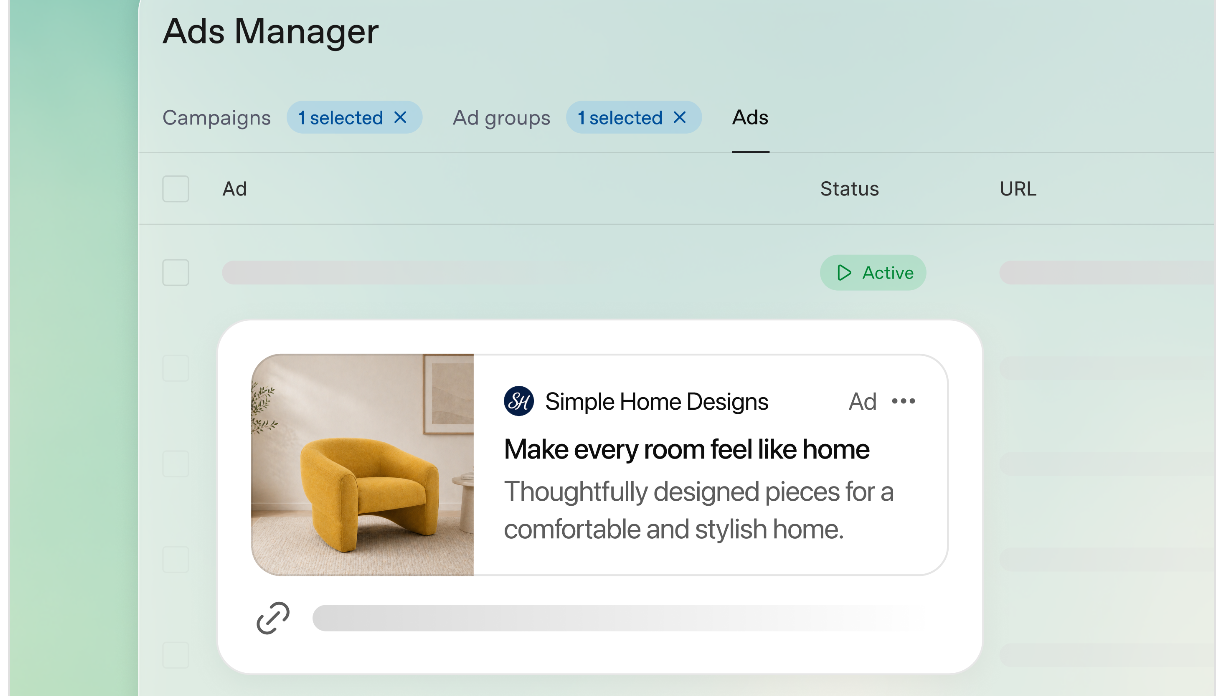
- ChatGPT ads became available to South African businesses on 21 October 2026 through OpenAI’s self-serve Ads Manager.
- ChatGPT advertising reaches consumers while they are actively researching, comparing products and making purchase decisions within AI conversations.
- Brands should establish credible organic visibility in ChatGPT recommendations before investing in paid advertising, as ads do not influence ChatGPT’s responses.
- South African e-commerce businesses need accurate product feeds, conversion-ready websites, local payment options such as instant EFT and PayShap, reliable delivery and robust conversion tracking to turn ChatGPT traffic into sales.
- Caleb Shepard, media director at The Digital Media Collective (TDMC), recommends treating ChatGPT advertising as a capped experiment alongside established channels such as Google, Meta and email, rather than diverting proven media spend into an untested platform.
Since 21 October this year, South African businesses have been able to buy ads inside ChatGPT through OpenAI’s self-serve ads manager, and South Africans on the free and Go plans have started seeing them.
According to OpenAI, its platform now reaches more than 1.2 billion people a week across 89 countries, with over 100 000 advertisers having run campaigns. And in August, Open AI said ChatGPT had reached a $1 billion annualised revenue run rate.
This means we can expect a rush of local agencies announcing that they “offer ChatGPT ads”. Most of those announcements miss the point.
Here is what actually changed. Search caught people at the question. Social caught them scrolling. With ChatGPT Ads, the AI chat bot catches potential customers mid-decision, comparing options and talking themselves towards a choice.
OpenAI’s own description is that discovery, consideration and decision now come together in a single conversation. For anyone selling something, that is a genuinely powerful moment to show up in. It is also exactly why lazy media buying will fail here.
Start with what OpenAI itself learned. It tried putting the checkout inside the chat late last year, decided the experience wasn’t good enough, and earlier this year pulled back so that shoppers complete their purchase on the merchant’s own store instead.
The lesson is worth sitting with. Even the company building the channel found that the ad is the easy part. The sale is still won or lost on your own website.
That points to three things that matter far more than being first to spend:
-
Earn the answer before you buy the ad
OpenAI is clear that ads are labelled, kept separate from the response, and do not change what ChatGPT says.
So, if your brand doesn’t already show up credibly when someone asks ChatGPT for a recommendation, paying to sit next to a competitor’s name looks desperate rather than convincing. Organic visibility comes first. Paid amplifies it.
-
Get the boring things ready
The parts that decide whether a ChatGPT visitor actually proceeds to checkout are the parts OpenAI doesn’t control, and they are exactly where most South African brands are weakest. A clean, accurate product feed.
A store that can convert a stranger who arrives deep in a decision rather than at your homepage. Local payment options like instant EFT and PayShap, and a delivery promise that holds up next to Takealot and Sixty60.
Proper tracking, the OpenAI pixel plus server-side conversions, so you can tell what a ChatGPT-assisted sale is worth. Tellingly, the deeper commerce features – the Shopify app, in-chat product discovery and sponsored agents – are still live only in the United States. That is not a reason to wait. It is the window to get your house in order before they arrive here.
-
Test, don’t bet
The tools are young and the measurement is still maturing. Early results have been uneven, with some advertisers reporting clicks their own analytics can’t even find.
The research firm eMarketer is blunt about it, saying that at the moment ChatGPT ads are a structured test rather than a core channel. Treat this as a capped experiment that sits alongside your Meta, Google and email activity, not a slice carved out of budget that is already working.
However, none of this is a reason to sit it out or adopt a wait-and-see attitude. The channel is real, the audience is large and local, and it will mature quickly. But the brands that win on ChatGPT next year won’t be the biggest spenders, and they certainly won’t be the ones who handed their media spend over to agencies who rushed out a press release the week it launched, claiming ChatGPT paid media expertise.
They’ll be the ones who have already grown their credibility and who have laid the groundwork for success on both ChatGPT, and more importantly at checkout on their own websites. In a channel this new, being early is worth less than being useful and ready.
Caleb Shepard is media director at The Digital Media Collective (TDMC), a South African performance marketing agency, Google Premier Partner and accredited Shopify partner.