- South Africa’s 2026 municipal elections saw surprisingly low political advertising bookings for local radio, television, print and outdoor media compared with previous election cycles.
- Millions of rands in political advertising spend went to global technology platforms including Meta, X and TikTok, rather than South African media businesses.
- Investing in local radio advertising supports South African jobs, including presenters, producers, journalists, broadcast engineers and sales teams, while contributing to local tax revenue and community economies.
- Gagasi FM and Heart FM reach a combined 2.2 million listeners across KwaZulu-Natal and the Western Cape, demonstrating the regional reach and community value of broadcast radio.
- Jonathan Lumley, head of innovation at Gagasi Heart Media Group, argues that political parties should align their advertising expenditure with their manifestos by investing in local media businesses that support South African jobs and economic development. *
Did you have a good vote? Did you make your mark? Hope so. Election season used to mean one thing in the radio industry: Bookings. Bookings would come in, with parties vying for a space in the minds of our listeners.
When South Africa went to the polls for the municipal elections on the 4th of November, hundreds of parties were competing for voter attention. Yet the industry found the bookings significant … ly … lacking.
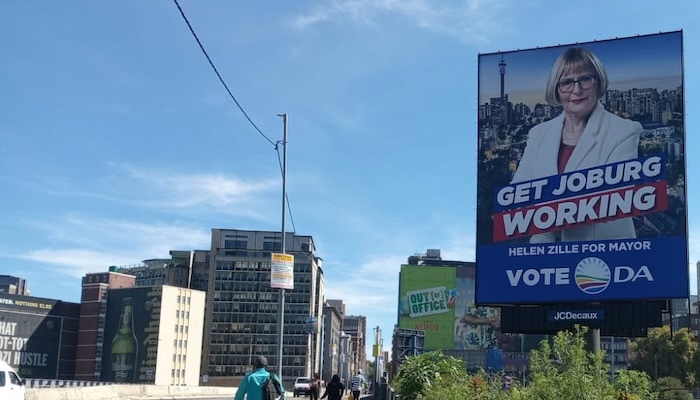
Local radio stations, television channels and traditional media houses have recorded surprisingly low airtime bookings from political parties from what has been seen in the past. Now granted this was municipal, not national, but it’s still telling.
Follow the money
Follow the money and it leads … offshore. Millions of rands in political ad spend bypassed radio, TV, local print and outdoor billboards and instead, it flowed straight to Silicon Valley and the global tech platforms: Meta’s Facebook and Instagram, X and ByteDance’s TikTok. (Does Elon need more X money?)
And by Meta’s own public documents, nearly R500k was spent on just one day in political advertising on the 31 October 2026. Times that by just 30 days and that’s R15 million! That’s just Meta. One month.
The feeds filled up. The airwaves didn’t.
Obviously, a multiplatform digital strategy makes tactical sense in a modern campaign. We’ve spent years in radio telling the industry to harness digital and work with it. But there’s a difference between using digital and handing it most of the budget.
And the sheer concentration of spend on foreign platforms this election throws up an irony that’s hard to ignore.
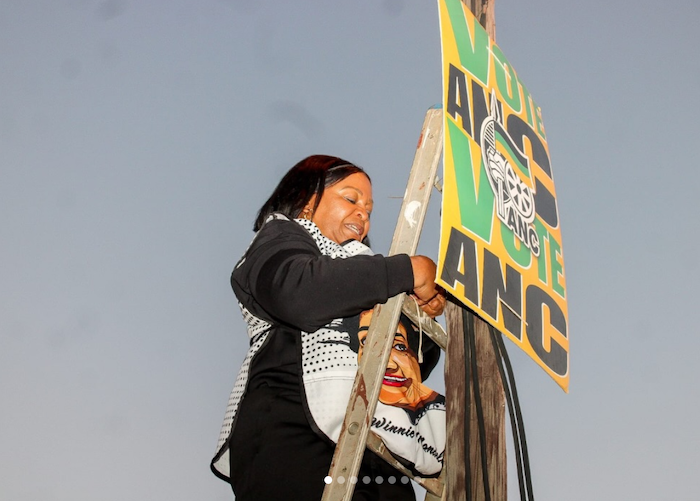
Rands flowing offshore
A Rand spent on local radio stays at home. It pays a breakfast presenter. A producer. A broadcast engineer. A journalist in the newsroom. A sales rep. The support team that keeps the lights on. And those businesses pay local commercial taxes, payroll taxes and municipal levies, VAT you name it.
They invest in skills development. And they reinvest in the communities they broadcast to.
Now follow a Rand spent on a global social platform. It leaves the country almost instantly. It lands on a global parent company’s balance sheet, enriching a foreign entity rather than circulating in the local media ecosystem.
And, let’s be honest, many of these companies route profits through low-tax jurisdictions such as well. And South Africa gets nothing.
To put it another way, one Rand builds South African jobs and the other boards a flight that doesn’t come back.
Read any party manifesto this election and you’ll find something baffling. They talk about local job creation. Domestic industrial/ business growth. The vital need for tax revenue to fix our roads, build our schools and resource our public hospitals. All good things. All things this country needs.
Tech companies win
But that only comes from paying local tax. Yet when those same parties had millions in campaign budget to deploy, many chose to export it to global tech companies rather than spend it with tax-paying South African businesses.
The very businesses whose corporate and payroll taxes help fund the state coffers they’re promising to spend.
So the promise was local, but the spend went global. Surely the first test of a party’s commitment to local jobs is what’s on its media schedule?
There is the argument that social media lets you target precisely. Why pay for mass reach when you can pick your voter? Sure, but precise targeting has a flip side. It traps the message in polarised online echo chambers, talking to people who already agree with you. It does not reach a new audience and it sits side by side with hate debate.
Radio lives in communities
Elections are won in communities, and that’s where radio lives. Broadcast radio remains one of the most trusted mediums in South Africa (BRC RAMS 2023) and one of the few that still gathers a broad, accessible public around a single conversation.
Look at the scale. Our stations Gagasi FM (The Sound of KZN) and Heart FM (Cape Town’s Beat) reach 2.2 million listeners across two regions. Two regions that together represent 30% of South Africa’s GDP. That’s a big town square.
I’m not saying abandon social media. It plays a role in political outreach, and it should. But remember 22.94% of South African ad impressions analysed from 2025 showed non-human or fraudulent activity (Fraudlogix 2026 report), so some of those ‘views’ have never even reached a person.
Manifesto in action
But let’s play nice and imagine if this election’s budgets had been split fairly between digital and local mass media. Candidates’ messages would have reached communities at scale. Local presenters, producers and journalists would have been paid.
And the economic gains of election season would have stayed right here at home. And benefitted the audiences in very provinces they service. That’s a manifesto in action.
But it’s done now, and it can’t be undone for 2026. Maybe next time, political parties, agencies and media buyers should try in the national election to look at their schedules and ask one question.
Does this spend build the very country we’re asking people to vote for?
Spend local. You build South Africa with the investment made into it.
* Summary created by AI
Jonathan Lumley is head of innovation at Gagasi Heart Media Group. He advises clients, advertisers and agencies on how to connect with engaged audiences across Gagasi FM and Heart FM, two of South Africa’s most loved regional radio brands.