- Guaranteed media coverage is a red flag because PR agencies cannot control independent journalists’ editorial decisions.
- Earned media coverage differs from advertising and advertorial because journalists retain editorial control.
- Effective PR relies on strong journalist relationships, newsworthy story angles and targeted pitching.
- Integrated PR strategies combine traditional media, digital platforms and owned content to build credibility and visibility.
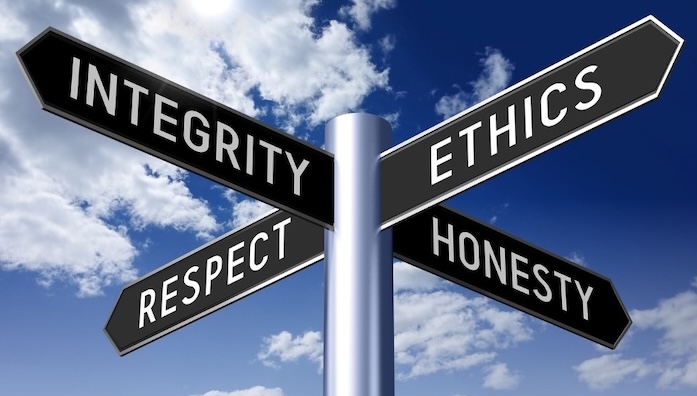
- Ethical public relations requires transparency, accountability and respect for editorial independence. *
If a public relations agency promises your company the front page of a major publication or a prime-time television or radio slot, run the other way.
In PR, an offer that sounds too good to be true usually is. Guaranteed coverage is a dangerous promise because no agency can control an independent journalist’s editorial decisions.
The hard truth is simple: you cannot buy a journalist’s editorial approval.
A tale of two launches
Consider two companies preparing similar launches. One relies on a promise of guaranteed coverage; the other invests in a flexible, integrated PR strategy.
The first hires an agency promising guaranteed earned media coverage as a measure of ROI. The agency secures a feature in a major business publication, leaving the client confident the article will appear. But the story is suddenly dropped in favour of breaking news. The publication redirects its resources to a more pressing story, leaving the client’s expectations unmet.
This is how the media works. Journalists and editors, whether working in traditional or digital media, decide what is newsworthy and what matters to their audiences. Editorial independence is fundamental to credible journalism. Paying for coverage is advertising or advertorial, which should be clearly identified, not earned media.
The classic maxim, “Advertising is what you pay for, publicity is what you pray for”, captures the distinction between buying media space and earning media coverage.
The second company takes a different approach. Its PR agency understands that coverage cannot be guaranteed and builds an integrated strategy combining traditional and digital media, grounded in relationships with journalists, an understanding of the news cycle and an ability to identify the right story, outlet and timing.
This approach rests on three fundamentals:
- Strong media relationships: Building credibility and trust with journalists over time.
- A nose for news: Identifying relevant, topical and timely stories within the business.
- Targeted pitching: Approaching journalists whose beats and audiences align with the story.
The objective is not to guarantee coverage, but to create the conditions in which a story has a genuine chance of being published.
What genuine PR success looks like
If coverage cannot be guaranteed, what are you paying for? An effective PR strategy is about improving the chances of visibility, relevance and credibility through:
- Finding the hook: Cutting through the corporate fluff to identify genuinely newsworthy angles, insights or data.
- Targeted pitching: Researching and approaching journalists who cover the relevant industry or subject.
- Content integration: Strengthening owned media, including websites, to support credibility, visibility and authenticity.
- Transparency: Sharing feedback, insights and results to inform and refine the strategy.
Good PR builds authority and trust over time. It requires an honest partner who understands the media landscape and respects editorial independence.
Where do we go from here?
The growing role of business-to-government (B2G) communications, particularly in the context of elections and political influence, raises an urgent question: where should PR professionals draw the ethical line?
Not everyone in the industry places credibility above profit, particularly when political influence and public opinion are at stake. Where that line is drawn is an ethical choice, but one with consequences beyond the client or agency.
I imagine Edward Bernays* rolling in his grave. How many propaganda campaigns must we learn from before we recognise the dangers of blurring the boundaries between persuasive messaging and independent journalism? What has happened to the respect for journalists’ editorial control?
Journalists deserve accurate, relevant information, delivered transparently and without attempts to compromise their independence. Earned media coverage carries value precisely because it is not bought or dictated by a client.
My thanks to journalists, editors, producers and other media contributors who continue to uphold the integrity of their work.
Ethical PR demands transparency, accountability and a firm commitment to the truth. In today’s fragmented media landscape, where misinformation can spread across platforms with alarming speed, these principles matter more than ever.
Let us hope transparency, verification and responsible monitoring help keep media and PR accountable, exposing propaganda and alerting professionals, journalists and the public when credibility is compromised.
As a traditionally trained digital native, I hope and pray we never lose sight of the value of truth, trust and editorial independence.
*Edward Bernays is widely regarded as one of the pioneers of modern public relation
* Summary created by AI
Sasha Kupritz is an experienced creative B2B specialist who has worked with agencies of all sizes on countless brands. While many campaigns fade from memory, some remain defining moments for both her and the South African advertising industry.