
While South Africa’s music industry continues to chase the next hit, the next platform and the next big moment, Gallo Music is taking a rare pause to reflect on something far bigger. One hundred years.
Founded in 1926 by Eric Gallo in Johannesburg, the company began as a small record label and grew into one of the most important custodians of South African music. A century on, its catalogue is not about looking back for the sake of nostalgia. It is a living record of the stories that have shaped who we are.
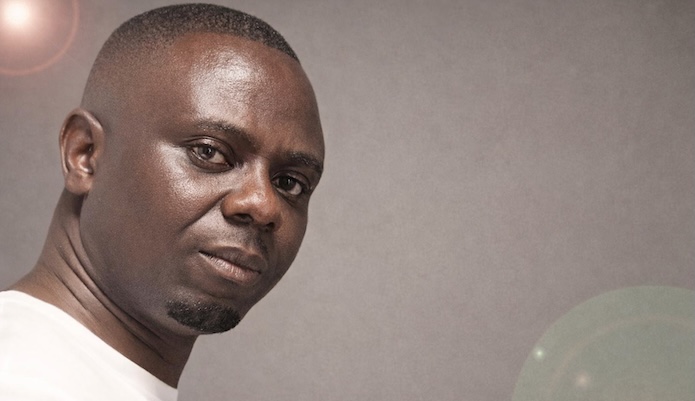
Kaya 959’s music compiler, Frans Nare, has spent nearly three decades at the station and has witnessed the industry change again and again and the weight of Gallo’s centenary is hard to fully articulate. Working daily at the intersection of music, memory and public life, he understands just how rare it is for a music institution to reach this moment and still matter.
“One hundred years is a long time. If I start counting the hits and the artists that Gallo has recorded, I honestly can’t even find the words. Some of the biggest artists to ever come out of South Africa come from this catalogue. They deserve all the flowers.”
Generation defining voices
Over the decades, Gallo Music has recorded and preserved the voices that helped define generations and, in many cases, gave sound to South Africa’s social and political journey.
Artists such as Miriam Makeba, Hugh Masekela, and Lucky Dube did more than make music. They used their art to speak for the marginalised, to challenge injustice, and to carry South African stories to the world.
“These were artists who were fighting for equality,” Nare reflects. “Their recordings didn’t restrict them. They were allowed to express themselves, to be voices for the voiceless. They used their art as a weapon to carry the message.”
Beyond its artists, Gallo’s legacy lies in how carefully that history has been preserved. In an industry where archives are often lost or neglected, Gallo’s commitment to preservation has ensured that recordings from 50 years ago and beyond remain accessible today.
The archive
“It’s very important to archive for future generations. Many institutions don’t do this well. But with Gallo, if you’re looking for a record recorded decades ago, it’s easy to find. They still exist on CDs and LPs that radio stations can access. My hat is off to Gallo Music for that,” Nare says.
That preservation has ensured the catalogue remains active. Today’s artists continue to draw from it, sampling, reinterpreting and reshaping classic sounds for new audiences.
“A lot of the music Gallo recorded lives on. You hear it in samples. You hear it in covers. Even younger musicians are drawing from that sound. The influence is still there.”
Gallo Music’s current roster continues that tradition of substance and longevity, with artists such as Simphiwe Dana and Thandiswa Mazwai, whose work reflects a commitment to quality, roots, and storytelling.
“If you produce quality, it will always stand the test of time. The style may change, but the fabric remains strong.” ~ Frans nare
“At Kaya 959, Gallo’s catalogue is part of our daily DNA. Every song we spin is a connection to a broader history, a shared memory and a cultural heartbeat that binds generations.”
The relationship between Gallo and Kaya 959 runs deep. Gallo safeguards South Africa’s musical heritage, and we bring it into homes, cars and digital platforms across Gauteng every day. For our audience, Kaya 959 is home, and Gallo’s catalogue is the soundtrack that makes it feel like one.
One hundred years on, Gallo Music remains a living archive of who South Africans were, who they are, and who they are still becoming.