- Pat on Brands will host the inaugural Content, Culture & Commerce Summit on 26 February 2027 in Johannesburg, bringing together creators, entrepreneurs, marketers and brand leaders.
- Founder Pat Mahlangu says the creator economy is maturing beyond followers and engagement, with greater emphasis on ownership, monetisation and sustainable business growth.
- Brands need to move beyond treating creators as content distributors and recognise them as strategic business partners with established audience relationships and cultural understanding.
- Creators can build sustainable businesses by diversifying revenue through products, intellectual property, services and independent platforms, while developing essential business skills.
- The summit will explore how brands can build authentic cultural connections through meaningful creator partnerships, with success measured by practical collaborations and lasting commercial opportunities.
The creator economy is moving beyond followers, likes and sponsored posts to a more commercially mature model built on ownership, entrepreneurship and long-term partnerships. This shift will be the focus of the inaugural Content, Culture & Commerce Summit, hosted by Pat on Brands in Johannesburg on 26 February 2027.
The summit will bring together content creators, cultural innovators, entrepreneurs, marketers and brand decision-makers to examine how storytelling, cultural relevance and creative influence can translate into sustainable business growth.
For Pat Mahlangu, founder of Pat on Brands, the event responds to a growing disconnect between the influence creators wield and the commercial opportunities available to them.
“Creators are building communities, shaping conversations and influencing how people discover and experience brands. We want to bring creators and brand leaders into the same room to explore how that influence can create lasting value,” he says.
“The creator economy is maturing, and we need to move beyond followers and engagement to focus on ownership, monetisation and long-term growth.”
Fundamental shift
Mahlangu believes this requires a fundamental shift in how brands view creator partnerships. Rather than treating creators primarily as content distributors, marketers should recognise them as strategic and creative business partners with an understanding of their audiences that brands cannot necessarily replicate.
Creators have built relationships with communities through trust, familiarity and shared interests. Giving them greater creative freedom, rather than prescribing every aspect of a campaign, can make partnerships more authentic and effective.
There is also an opportunity to move beyond conventional campaign-based collaborations towards commercial ventures that allow creators to develop their own products, intellectual property and revenue streams.
Mahlangu points to MrBeast’s expansion into businesses such as Feastables as an example of how a creator’s personal brand and audience can become the foundation for commercial opportunities beyond content production.
“Ultimately, unlocking the full commercial value of creator partnerships requires a shift towards long-term collaborations that recognise creators not just as influential voices, but as entrepreneurs and business owners.”
From audience to enterprise
However, building an audience and building a sustainable business are two different propositions.
Mahlangu argues that creators need to look beyond sponsored posts and explore opportunities to launch products, develop intellectual property, offer services and establish platforms they own.
One of the biggest obstacles is the gap between creative and commercial skills. While many creators understand content production and audience engagement, fewer have the business capabilities required to turn their influence into sustainable enterprises.
Financial management, pricing, negotiation, contracts and revenue diversification are among the skills needed to make that transition.
Ownership is another important consideration. Creators who depend heavily on social media platforms remain vulnerable to changes in algorithms, platform policies and monetisation models. Building independent assets and reducing that dependence are essential to creating lasting commercial value.
Culture cannot be bought
The relationship between cultural relevance and brand building will also feature prominently at the summit.
As marketers increasingly seek to connect with communities through creators and cultural conversations, Mahlangu cautions against treating culture as something that can simply be purchased or manufactured through a campaign.
“Brands cannot own culture; they can only contribute to it,” he says.
Meaningful engagement starts with listening to communities, understanding what matters to them and working with creators who genuinely understand and influence those spaces.
It also requires trust, mutual respect and consistency, rather than transactional relationships designed simply to capture attention.
For brands, this means allowing creators to bring their own perspectives and creative approaches to partnerships, rather than expecting them to reproduce a predetermined brand message.
Building connections and commercial opportunities
The inaugural summit aims to turn these conversations into practical opportunities for collaboration.
For creators and entrepreneurs, the programme will provide a platform to explore business development, monetisation and partnerships that respect their creative identities. For marketers and business leaders, it will offer an opportunity to reconsider how creator influence and cultural understanding can strengthen relationships with audiences.
Mahlangu says the measure of success will extend beyond the conversations on the day.
“If a creator connects with a brand and develops a commercial partnership, or a business leader leaves with a fresh perspective on the creator economy, then we have achieved something meaningful.”
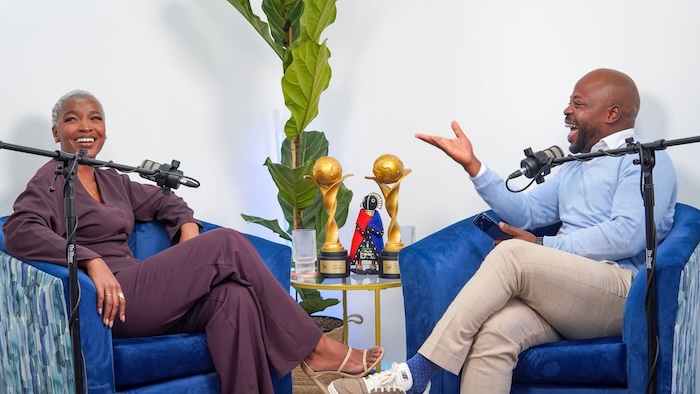
The event builds on Pat on Brands’ existing coverage of branding, marketing and entrepreneurship through its digital platforms, podcast and industry conversations. It represents an extension of that work into a shared industry space where creative ideas can meet practical business opportunities.
Ultimately, Mahlangu hopes the summit will become a platform that contributes to the growth of South Africa’s creator economy, helping creators build more sustainable enterprises while encouraging brands to develop partnerships that deliver value beyond individual campaigns.
The Content, Culture & Commerce Summit takes place on 26 February 2027 in Johannesburg. Further programme and venue details will be announced in due course.
* Summary created by AI
Find registration and event information here.