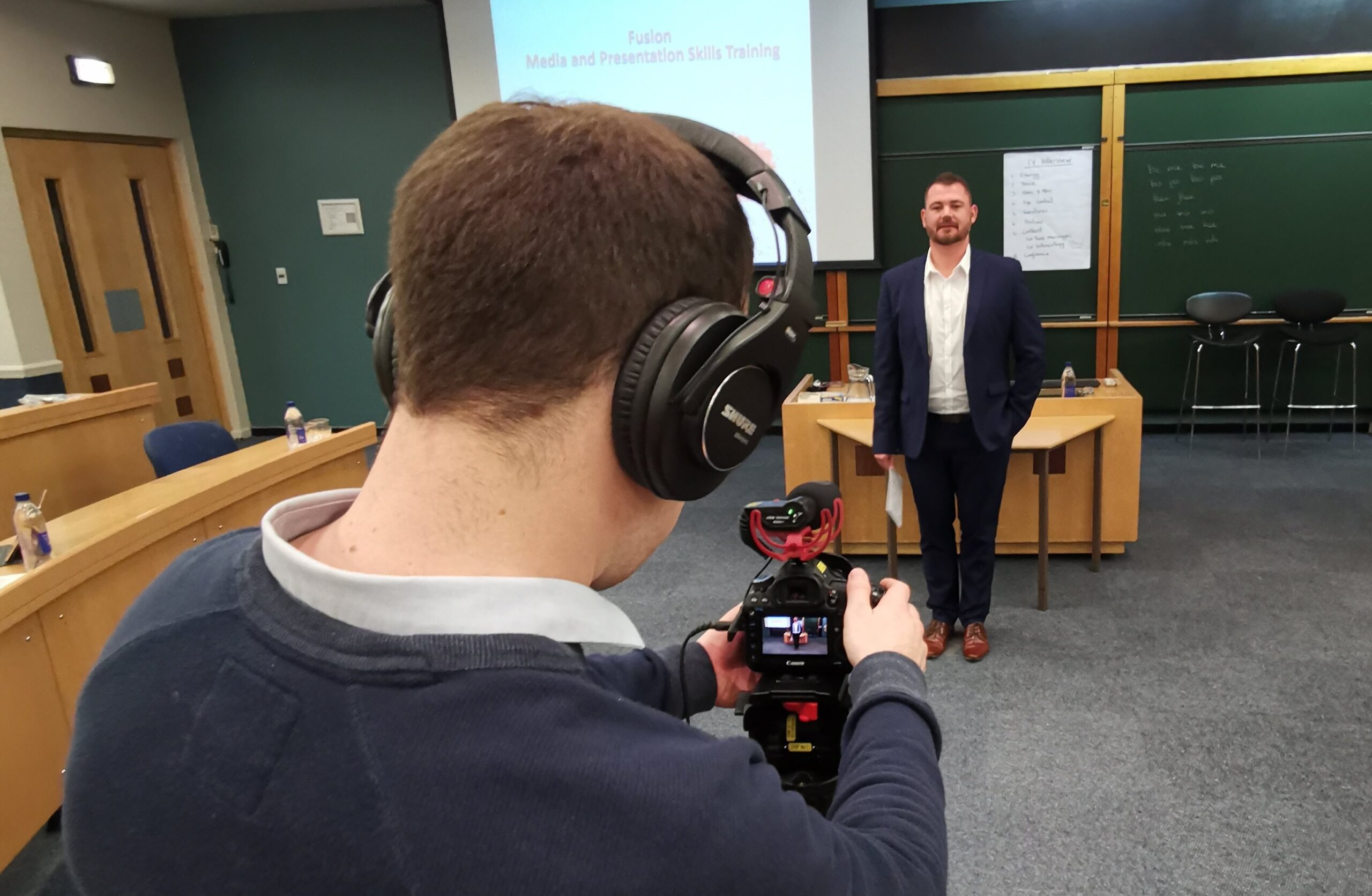
The media eco-system in 2026 is a fickle environment where reputation can shift from a single headline. The join.the.dots lead team, Ingrid Lotze and Gavin Moffat, are teaching spokespeople how to stay in control when the spotlight turns their way. Their aim is to help people turn media pressure into presence.
The first webinar in a five‑part 2026 series, Preparation & Media Mindset, set the tone for what has quickly become one of the most relevant skills for modern executives: media fluency.
The session is a deep dive into the thinking needed before an interview begins, because saying ‘yes’ to the wrong interview can be more damaging than stumbling in the right one.
The webinar introduced attendees to the foundation of the join.the.dots approach, the five Ws & an H framework (Who, What, Where, When, Why and How) which they use to determine whether you should do an interview at all.
Not all exposure is good exposure
The presenters underscored that every interview carries reputational risk, sharing real‑world examples of how angles shift, editing reshapes narratives, and platform constraints alter context.
As they noted, roughly a third of interviews don’t land the way interviewees expect, not because journalists err, but because context and angles drive final outcomes.
One of the most compelling moments was Lotze’s personal example of turning down a high‑reach radio interview after mapping it against the five W’s & H. Though the platform was sizeable, the audience, angle and objectives didn’t align, and the risk outweighed the visibility.
The framework is a powerful reminder for any reputation‑conscious spokesperson that not all exposure is good exposure.
The session then moved to the second major use case of the 5 W’s & an H framework: What to say in an interview. Media readiness was reframed as audience readiness.
Decision-making framework
Effective spokespeople, they explained, are those perceived as clear, relevant, context‑aware and audience‑focused. Understanding what the audience values or fears, what the platform demands, and how timing influences interpretation, formed a practical guide to crafting messages that land.
Finally, the third focus area covered building a storybank. Spokespeople are urged to curate three to five meaningful stories tied to the five W’s & H answers they’ve already worked through in the first two use cases. Stories are the “fastest way to build trust” and help interviewees stay composed, quotable and in control under pressure.
By the end of the hour that feels like five minutes, attendees walked away with a versatile decision‑making framework, a clearer understanding of how to shape messages that resonate, and a compelling case for why every executive should start building a storybank now.
Professional investment
As an added bonus those who stayed till the end got a free Quick Start Guide To Crafting Your Media Motivation. The framework aids in clarify the message so that mainstream and independent media will find the motivation impossible to ignore.
If this opening webinar is any indication, the remaining four sessions promise to push even deeper into the craft of becoming influential, trusted and confident in high‑visibility moments.
For spokespeople navigating media, stakeholder communication, or high‑pressure public moments, building media fluency is 2026’s most valuable professional development investment.
Founded by seasoned communication professionals Ingrid Lotze and Gavin Moffat, each with well over 30 years of experience, join.the.dots brings expertise and fresh thinking to every job to be done. Alongside a dedicated team of specialists, the agency harnesses the transformative power of communication to drive meaningful change, build stronger connections, and help clients adapt and excel in an ever-evolving eco-system.