
- The podcast boom must not replace creativity. The real battle is between content that matters and content that simply exists.
- Technology should enable, not replace, creativity. As AI automates production, originality, storytelling and human connection will become more valuable.
- Cultural relevance is a competitive advantage. Reach can be bought, but cultural capital is earned through authenticity, trust and community.
- Africa offers a major opportunity for audio. Radio remains trusted and influential, while streaming, creators and AI can extend its reach and impact.
- Audiences follow people, not platforms. Distinctive voices, talent and authentic connections will matter increasingly in the fragmented attention economy.
The media industry has always had a talent for chasing the next shiny object. Today, that object is podcasting.
Across boardrooms and agency presentations, we hear discussions about podcast networks, creator ecosystems, and digital audio strategies. Yet, beneath the excitement lies a more fundamental question: are we innovating around audio, or are we simply changing its distribution mechanism?
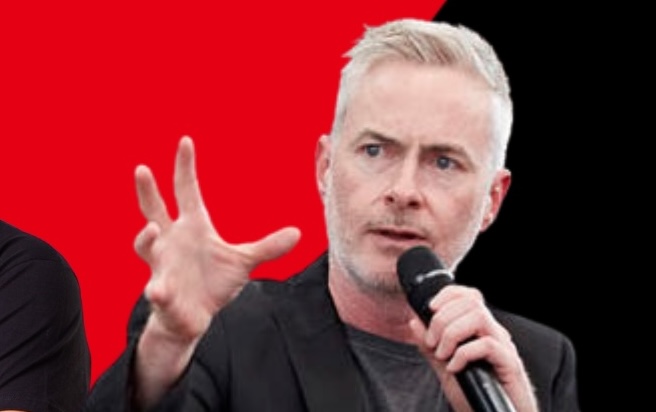
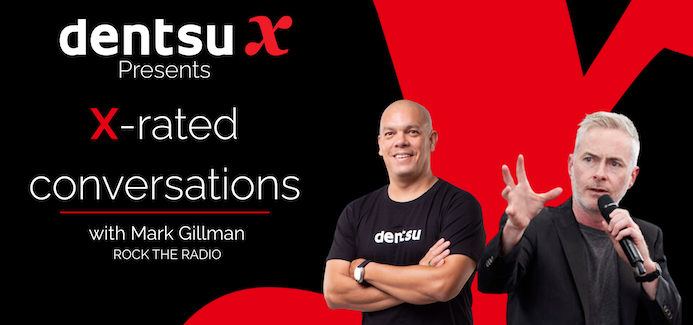
Mark Gilman recently raised a provocative challenge during a conversation on X-rated Conversations. His argument was not merely about radio versus podcasts. It was about performance versus production, creativity versus process, and relevance versus reach.
Whether one agrees with his blunt assessment or not, his critique touches on a broader truth facing our industry.
Too many media conversations have become dominated by efficiency metrics rather than audience impact.
The creativity deficit
Gilman’s observation that media businesses are increasingly being run by spreadsheets rather than storytellers will resonate with many industry veterans.
Data remains essential. As agencies, we are stronger because of our ability to leverage analytics, audience intelligence, and performance measurement. However, data should inform creativity, not replace it.
The most successful media brands in history were never built solely on optimisation models. They were built on distinctive voices, compelling personalities and content that created emotional connection.
When audiences remember a programme, a station, or a piece of content, they rarely talk about distribution channels. They talk about how it made them feel.
That remains as true today as it was thirty years ago.
The real question is not radio versus podcasting
The podcast boom has undoubtedly expanded opportunities for creators and brands alike. It has democratised publishing and enabled countless voices to find audiences.
But Gilman raises an important challenge when he argues that recorded content does not always require the same level of craft as live broadcasting.
The point is not that podcasts are inferior. The point is that technology can sometimes create a false sense of excellence.
Editing, repetition, and postproduction can improve content, but they cannot manufacture authenticity. Audiences quickly recognise the difference between polished content and compelling content.
The creators who will win in the future will not do so because they have access to better technology. They will win because they understand how to command attention in a world where attention itself has become scarce.
In that sense, the battle is not between formats. It is between content that matters and content that merely exists.
Culture is no longer context. It is currency
For years, marketers treated culture as the backdrop against which brands communicated. Today, culture has become a growth driver.
The brands and media platforms creating the greatest value are not always those with the largest audiences. They are the ones that have earned cultural capital by building communities, inspiring trust, and maintaining genuine local relevance.
Reach can be bought. Cultural significance cannot.
Cultural capital is built through consistent participation in the conversations, moments and experiences that matter to people. It is earned through relevance, authenticity, and contribution, not through media investment alone. When brands become part of how people connect, express themselves and engage with the world around them, they move beyond awareness and into influence.
That influence creates commercial value. Brands with strong cultural capital are trusted more readily, advocated for more often and remembered for longer. In an increasingly fragmented attention economy, that represents a meaningful competitive advantage.
One of Mark Gilman’s strongest observations concerns the role media plays within culture. At its peak, a media brand does more than attract listeners or viewers. It becomes embedded within the identity of a community.
South Africans have witnessed this phenomenon before. The most influential stations were not simply entertainment platforms. They became part of daily life, local conversation, and cultural identity.
For brands, this distinction matters enormously.
Consumers increasingly reject manufactured authenticity. They are more likely to trust voices that genuinely participate in culture than organisations attempting to rent relevance through marketing budgets alone.
This is particularly important in Africa, where community, trust and local context continue to shape media consumption behaviours.
The future belongs to brands that contribute meaningfully to culture, not those attempting to commoditise it.
The future belongs to brands that contribute meaningfully to culture, not those attempting to commoditise it.
Africa’s golden opportunity
At dentsu X, we increasingly see opportunities where traditional radio, digital streaming, creator led content and AI powered experiences work together rather than compete against one another.
The future of audio is unlikely to be defined by a single platform. It will be defined by how effectively we combine trust, technology, and talent.
Where Gilman’s perspective becomes particularly compelling is in his assessment of Africa’s audio landscape.
While mature markets debate the future of traditional broadcasting, radio remains one of the most powerful and trusted media channels across much of the continent.
Millions of people begin and end their day with audio companions they know, trust, and rely on. That trust has been earned through consistency, accessibility, and relevance.
For marketers, this presents a significant opportunity.
Rather than treating audio as a legacy channel, we should be reimagining its role within integrated media ecosystems. Audio has the unique ability to create intimacy at scale. Few other media channels can claim the same.
The industry’s next move
Gilman argues that radio may have undermined itself by reducing personality driven engagement in favour of playlists and automation.
There is certainly room for debate. However, there is no debate about the need for stronger creative ambition across the media landscape.
As artificial intelligence transforms content creation, routine production will become increasingly commoditised. The premium will shift towards originality, insight, and human connection.
The irony is that the more technology evolves, the more valuable authentic human voices become.
That creates both a challenge and an opportunity for media owners, creators and brands.
The challenge is to avoid mistaking output for impact. The opportunity is to invest in creators, storytellers, and talent capable of building genuine audience belief.
Because audiences do not follow platforms. They follow people, and in a fragmented attention economy, belief remains the most valuable media asset of all.
You can listen here.
Marcel Swain is managing director, dentsu X South Africa.