• Subscribe to our newsletter
The Media Online
  • Home
  • MOST Awards
  • News
    • Awards
    • Media Mecca
  • Print
    • Newspapers
    • Magazines
    • Publishing
  • Broadcasting
    • TV
    • Radio
    • Cinema
    • Video
  • Digital
    • Mobile
    • Online
  • Agencies
    • Advertising
    • Media agency
    • Public Relations
  • OOH
    • Events
  • Research & Education
    • Research
    • Media Education
      • Media Mentor
  • Press Office
    • Press Office
    • TMO.Live Blog
    • Events
    • Jobs
No Result
View All Result
  • Home
  • MOST Awards
  • News
    • Awards
    • Media Mecca
  • Print
    • Newspapers
    • Magazines
    • Publishing
  • Broadcasting
    • TV
    • Radio
    • Cinema
    • Video
  • Digital
    • Mobile
    • Online
  • Agencies
    • Advertising
    • Media agency
    • Public Relations
  • OOH
    • Events
  • Research & Education
    • Research
    • Media Education
      • Media Mentor
  • Press Office
    • Press Office
    • TMO.Live Blog
    • Events
    • Jobs
No Result
View All Result
The Media Online
No Result
View All Result
Home Broadcasting

Podcasting in 2026: The year ‘a podcast’ stops meaning one thing

Baird Media publishes 2026 trend forecast on platform-native video, Netflix, awards recognition and the future of RSS audio

by Hendrik Baird
January 27, 2026
in Broadcasting
0 0
0
Podcasting in 2026: The year ‘a podcast’ stops meaning one thing

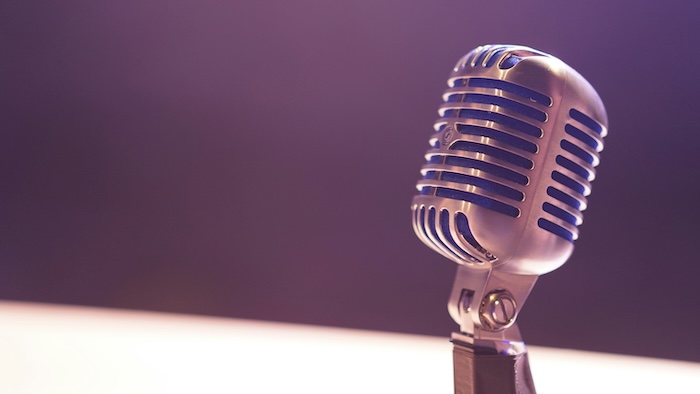
Baird Media publishes 2026 trend forecast on platform-native video, Netflix, awards recognition, and the future of RSS audio./Unsplash

Share on FacebookShare on Twitter
Podcasting in 2026 stops being one thing. With the Golden Globes legitimising the medium and Netflix treating podcasts like catalogue content, creators are being pushed to choose between open RSS audio and platform-native video, while tightening structure for distracted, mobile-first audiences.

I keep hearing the same question from clients and creators. “Should my podcast be video now?”

My honest answer in 2026 is irritatingly unhelpful. Sometimes yes. Sometimes no. Sometimes you should run away from video like it is a WhatsApp group with 300 unread messages.

Because the real shift is not audio vs video. It is that the word ‘podcast’ is splitting into two different products. One is the open, RSS-based medium we have known for two decades. The other is an on-platform, screen-native show that looks like a podcast, talks like a podcast, but behaves like streaming content.

If you want to predict where podcasting is going in 2026, start there. The split explains almost everything else that is happening. Awards. Netflix. Spotify. YouTube. Corporate “internal podcasts”. Even the way episodes are structured to survive distracted mobile brains.

Let me show you the signals, then the predictions. Not in a tech-obsessed way. In a “what will this do to the craft” way.

Signal 1. The Golden Globes just legitimised podcasting, and that changes the incentives

In January 2026, the Golden Globes introduced a Best Podcast category and awarded the inaugural trophy to Good Hang with Amy Poehler.

You can roll your eyes at celebrity podcasting. I sometimes do. But awards do one thing exceptionally well. They change what funders, platforms, and agents consider “worth it”.

Prediction for 2026. More podcasts will be built like prestige TV. Not just better audio quality. The deeper shift is structural.
  • More limited series with clear season arcs and a real ending.
  • More ‘campaignable’ packaging. A defined premise, a strong logline, a trailer that feels like a film trailer.
  • More aggressive PR cycles around launches. Press, clips, guest strategy, and the kind of narrative around the show that makes it award-friendly.

This is good news if you care about craft. It is also dangerous, because awards can tempt creators into polishing the life out of a show. The best podcasts still feel human. They still breathe.Signal 2. Netflix is now treating podcasts like shows, not feeds

Netflix has published a help page that basically says: Search “podcast”. Visit the podcast hub. Podcasts appear like shows and movies on Netflix.

That one paragraph matters more than a hundred hot takes. Netflix is not thinking in RSS. Netflix is thinking in catalogue. In discovery. In retention. In “keep them watching another 20 minutes”.

On top of that, Netflix is not only licensing video podcasts. It is commissioning originals. In January 2026, Netflix launched its first original video podcasts (including a Pete Davidson show).

And the distribution deals are not subtle. Reuters reported that Netflix will carry selected Spotify video podcasts in early 2026. Netflix and iHeartMedia also announced an exclusive video podcast partnership, with new episodes launching on Netflix in early 2026 in the US, with more markets to follow.

Prediction for 2026. ‘Podcasting’ becomes a streaming format category.

This has three practical consequences.

  1. Platform-first shows will grow. A show can be called a podcast while living inside Netflix without an RSS feed, in the same way a “series” lives inside Netflix without you downloading MP4 files.

  2. Exclusivity and windowing will increase. Full video episode on Netflix first. Clips on YouTube later. Audio available widely, or sometimes not. You will see more complicated release strategies because platforms will pay for exclusivity.

  3. The definition fight will get louder. Purists will insist “that’s not a podcast”. Audiences will not care. Audiences already call anything with hosts and episodes “a podcast”.

If you are a creator, the question becomes less philosophical. It becomes tactical. Are you building an open-media asset you own, or are you building platform-native content you rent space for.

Signal 3. YouTube is already the dominant podcast platform for many listeners

A lot of people still talk about YouTube as if it is something you do after you have “a real podcast”.

Edison Research’s Infinite Dial 2025 reported that YouTube is the service used most often to listen to podcasts, with 33% of US weekly podcast listeners using it. It also reported that 48% of Americans 12+ have both listened to and watched a podcast.

Google is also quietly making RSS part of YouTube Music. You can add podcasts to your YouTube Music library using RSS feeds.

Prediction for 2026. ‘Audio-only’ will remain powerful, but discovery will keep drifting toward screens.

The problem is not that people suddenly hate audio. Audio is still the best medium when your eyes are busy. Driving. Walking. Cooking. Living.

The problem is where people find new shows.

The platforms that are winning discovery are the ones with recommendation engines built for video and engagement loops. If your show does not exist in those environments, you are asking new audiences to take extra steps. Audiences rarely do extra steps.

This is why 2026 will be full of “video podcasts” that are, frankly, just filmed Zoom calls. People are chasing discovery, not designing a visual experience. That will separate the amateurs from the professionals very quickly.

Signal 4. Spotify is building a creator business model around video

On January 7, 2026, Spotify announced updates that make it easier for video podcasters to earn. It expanded eligibility thresholds for the Spotify Partner Program and added more flexible sponsorship management for video.

This is an important sign. Spotify is not only distributing podcasts. It is building a creator economy with payouts, ad tools, and sponsorship management baked into the platform.

Prediction for 2026. Monetisation will start shaping format decisions more directly.

If a platform pays you more reliably for video engagement, creators will adapt their shows to keep people watching, not only listening.

That does not mean everything becomes shouty and shallow. It means structure becomes tighter.

  • Stronger cold opens.

  • More “here’s what you’re getting today” in the first minute.

  • More deliberate segment breaks that translate into clips.

  • More visual beats. Not gimmicks. Beats.

Signal 5. Transcripts are no longer optional. They are part of the product

Apple introduced transcripts for Apple Podcasts in iOS 17.4, with auto-generated transcripts and support for creator-provided transcripts via RSS tags.

This is not just an accessibility upgrade. It is a discoverability upgrade.

Transcripts make your audio searchable. Quotable. Indexable. They turn a podcast episode into a text asset as well as an audio asset.

Prediction for 2026. The ‘podcast episode’ becomes a content bundle.

Audio. Video. Transcript. Clips. Highlights. Newsletter excerpt. Blog post. Maybe even an internal training module.

The winners are not the creators who do everything. They are the creators who design the show so repurposing is natural. If your episode is one long ramble, turning it into useful assets is painful. If your episode has structure, the assets almost generate themselves.

Signal 6. Corporate podcasts are moving from ‘nice idea’ to ‘serious channel’

Internal company podcasts used to sound like a novelty. Now they are showing up in places you would not expect, including investor communications.

The Financial Times reported that the London Stock Exchange Group is collaborating with Auddy to offer encrypted podcast distribution for shareholder communications.

That is not a quirky brand experiment. That is infrastructure.

Prediction for 2026. Private podcasting will expand. Employee comms, shareholder updates, training, onboarding, compliance, and leadership communication.

Why audio works inside organisations is simple. It is intimate. It feels human. It reaches non-desk workers. It reduces the “another email from leadership” fatigue.

The next step is measurement. Private podcast platforms and encrypted feeds allow companies to see who listened, for how long, and what content actually landed.

If you run a production business, this is a serious opportunity. It is also a different skill set. Corporate podcasts fail when they sound like internal memos read aloud. They succeed when they are made like real shows.

The attention problem. Why 2026 structure will get sharper

Now we get to the point about mobile use and attention deficits.

People are not becoming “less intelligent”. They are becoming more interrupted. Notifications. Tabs. Algorithmic feeds. A constant low-grade tug on attention.So creators will adapt, even when they claim they hate what TikTok has done to culture.

You can already see the direction in platform behaviour and forecasts. Deloitte predicts global podcast and vodcast advertising revenues will reach roughly US$5 billion in 2026, up nearly 20% year-on-year.

When money flows into video podcasting at that scale, format evolves to fit the consumption reality.Prediction for 2026. Longform survives. But it gets more navigable.Consider the likely structural shifts:

  • Front-load value. Not clickbait. Just clarity.
  • Build chapters into the episode. Even if you do not announce them out loud, design for them.
  • Segment for clipping. A segment should be able to live on its own in a 60–120 second highlight.
  • Use repetition intelligently. Quick recaps are not dumbing down. They are re-entry points for distracted listeners.
  • Treat silence as a tool. Not filler. A beat can reset attention in audio better than any graphic ever will.

This is where audio still has an unfair advantage over bad video.A well-made audio documentary or audio drama can hold attention in a way a static talking-head video cannot. It can create cinema in the mind. It can do what we try to do in projects like Blood in the Dust.

Sound carries story. It carries emotion. It carries place.The irony of 2026 is that the rise of video will make truly great audio feel even more special. The market will be flooded with “bad television”. Which means the creators who understand sound will stand out.So what should creators do in 2026?

I am not going to give you a 27-point checklist. You will ignore it, and I do not blame you.

Here are the decisions that actually matter.

  1. Choose your lane. Open podcasting (RSS-first) vs platform-native show (Netflix, Spotify video, YouTube-first). You can do both, but only if you plan it properly.

  2. Design for repurposing. If you want clips and transcripts and posts, structure the episode so those pieces exist naturally.

  3. If you do video, make it earn its place. Lighting, framing, set, visual storytelling, or at least visual clarity. If the picture adds nothing, you are making bad television.

  4. Invest in the human part. Voice, pacing, story, and emotional truth. Awards, platforms, and monetisation tools change. Human attention is still captured by meaning.

Podcasting is not dying. It is mutating. In 2026, the big question is not whether podcasting will grow.

It will.

The question is whether you are building something you own, or something that owns you.

Hendrik Baird, The Podfather, is the founder of Baird Media. He has always lived in stories. First on stage, then on radio, and eventually behind the microphone as a podcast producer, trainer, and writer. For Baird, podcasting is not just about audio files and RSS feeds – it’s theatre of the mind. A place where voice, story, and trust meet.


Podcasts Don’t Make Themselves – But We Can Help

Your voice is your brand. Your podcast should sound like it.
We help creators, coaches, and businesses make shows that stand out – for the right reasons.
Book a Free Strategy Session and let’s build something powerful.

👉 Book a Free Strategy Session


Tags: 2026 trendsBaird MediaGolden GlobesHendrik BairdNetflixpodcastingRSS feedvideo podcast

Hendrik Baird

Hendrik Baird, The Podfather, is the founder of Baird Media. He has always lived in stories. First on stage, then on radio, and eventually behind the microphone as a podcast producer, trainer, and writer. For Baird, podcasting is not just about audio files and RSS feeds – it’s theatre of the mind. A place where voice, story, and trust meet.

Follow Us

  • twitter
  • threads
  • Trending
  • Comments
  • Latest
Kelders van Geheime: The characters are here

Kelders van Geheime: The characters are here

March 22, 2024
Dissecting the LSM 7-10 market

Dissecting the LSM 7-10 market

May 17, 2023
Keri Miller sets the record straight after being axed from ECR

Keri Miller sets the record straight after being axed from ECR

April 23, 2023
Getting to know the ES SEMs 8-10 (Part 1)

Getting to know the ES SEMs 8-10 (Part 1)

February 22, 2018
Sowetan proves that sex still sells

Sowetan proves that sex still sells

105
It’s black. It’s beautiful. It’s ours.

Exclusive: Haffajee draws a line in the sand over racism

98
The Property Magazine and Media Nova go supernova

The Property Magazine and Media Nova go supernova

44
Warrant of arrest authorised for Media Nova’s Vaughan

Warrant of arrest authorised for Media Nova’s Vaughan

41
Welcome to the age of engineered outrage

Welcome to the age of engineered outrage

January 27, 2026
Podcasting in 2026: The year ‘a podcast’ stops meaning one thing

Podcasting in 2026: The year ‘a podcast’ stops meaning one thing

January 27, 2026
How the Briefly News Entertainment Awards keep readers coming back

How the Briefly News Entertainment Awards keep readers coming back

January 27, 2026
I fell in love with an industry that never existed

I fell in love with an industry that never existed

January 26, 2026

Recent News

Welcome to the age of engineered outrage

Welcome to the age of engineered outrage

January 27, 2026
Podcasting in 2026: The year ‘a podcast’ stops meaning one thing

Podcasting in 2026: The year ‘a podcast’ stops meaning one thing

January 27, 2026
How the Briefly News Entertainment Awards keep readers coming back

How the Briefly News Entertainment Awards keep readers coming back

January 27, 2026
I fell in love with an industry that never existed

I fell in love with an industry that never existed

January 26, 2026

ABOUT US

The Media Online is the definitive online point of reference for South Africa’s media industry offering relevant, focused and topical news on the media sector. We deliver up-to-date industry insights, guest columns, case studies, content from local and global contributors, news, views and interviews on a daily basis as well as providing an online home for The Media magazine’s content, which is posted on a monthly basis.

Follow Us

  • twitter
  • threads

ARENA HOLDING

Editor: Glenda Nevill
nevillg@themediaonline.co.za
Sales and Advertising:
Tarin-Lee Watts
wattst@arena.africa
Download our rate card

OUR NETWORK

TimesLIVE
Sunday Times
SowetanLIVE
BusinessLIVE
Business Day
Financial Mail
HeraldLIVE
DispatchLIVE
Wanted Online
SA Home Owner
Business Media MAGS
Arena Events

NEWSLETTER SUBSCRIPTION

 
Subscribe
  • About
  • Advertise
  • Privacy & Policy
  • Contact

Copyright © 2015 - 2023 The Media Online. All rights reserved. Part of Arena Holdings (Pty) Ltd

No Result
View All Result
  • Home
  • MOST Awards
  • News
    • Awards
    • Media Mecca
  • Print
    • Newspapers
    • Magazines
    • Publishing
  • Broadcasting
    • TV
    • Radio
    • Cinema
    • Video
  • Digital
    • Mobile
    • Online
  • Agencies
    • Advertising
    • Media agency
    • Public Relations
  • OOH
    • Events
  • Research & Education
    • Research
    • Media Education
      • Media Mentor
  • Press Office
    • Press Office
    • TMO.Live Blog
    • Events
    • Jobs

Copyright © 2015 - 2023 The Media Online. All rights reserved. Part of Arena Holdings (Pty) Ltd

Welcome Back!

Login to your account below

Forgotten Password?

Retrieve your password

Please enter your username or email address to reset your password.

Log In

Add New Playlist

Are you sure want to unlock this post?
Unlock left : 0
Are you sure want to cancel subscription?