- AI is transforming healthcare marketing through personalisation and data-driven insights
- Empathy is essential in healthcare marketing because trust drives action
- Human storytelling outperforms information alone
- The future of healthcare marketing is human-centred AI
- Healthcare marketing success should be measured by behavioural change, not just engagement *
AI is transforming healthcare marketing. It is helping organisations analyse audience behaviour, personalise communications, optimise campaigns and identify new ways to engage people more effectively.
For healthcare marketers, these capabilities are valuable. They allow us to reach the right audiences, improve efficiency and make more informed decisions.
But healthcare marketing carries a responsibility that goes beyond technology and performance metrics. Behind every data point is a person.
A patient searching for answers. A family navigating uncertainty. A caregiver making difficult decisions. A potential donor considering an action that could one day save someone else’s life.
This is why empathy remains at the center of effective healthcare communication. Technology can help us understand what people do. Empathy helps us understand why they do it. And in healthcare, the “why” is often what inspires action.
Healthcare decisions are deeply personal
Unlike many other forms of marketing, healthcare communication is built around decisions that are deeply personal. Whether encouraging someone to seek treatment, attend a screening, participate in research or register as a stem cell donor, the goal is not simply awareness. The goal is trust.
At DKMS Africa, our work involves encouraging people to become potential stem cell donors, people who may one day save the life of someone they have never met. This requires more than sharing information. It requires helping people understand the impact of their decision and creating confidence in the process.
That trust is built through authentic storytelling.
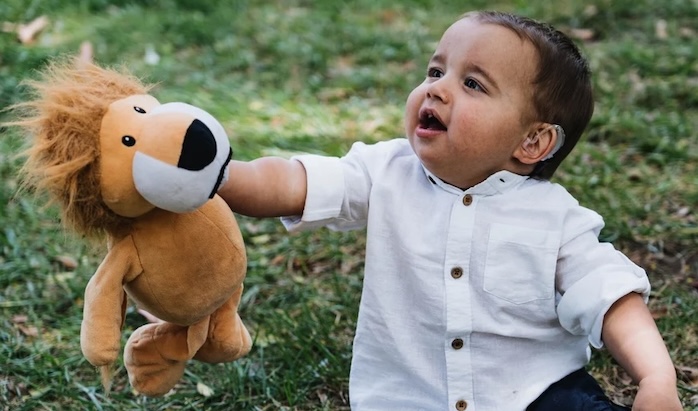
The Saving Baby Leo campaign is a powerful example of this. Leo’s story resonated because it was not simply a campaign message, it was a human story that gave people a reason to care and a clear way to help. Through thoughtful storytelling, media partnerships and community engagement, public empathy was transformed into action.
The lesson was clear – people connect with people before they connect with information.
AI can strengthen healthcare marketing but it cannot replace humanity
AI has enormous potential to improve healthcare communications. It can help organisations identify audience trends, personalise messaging, test campaign approaches and understand engagement patterns. Data alone cannot explain the emotions, experiences and barriers behind human behaviour.
A dashboard can show that people are not engaging with a message. It cannot always tell us whether they are confused, fearful, uncertain or simply need to hear the message from someone they trust. That understanding comes from listening.
At DKMS Africa, we have seen the importance of understanding South Africa’s diverse communities, their languages, experiences, concerns and trusted voices. Effective healthcare marketing cannot assume that one message will work for everyone. Empathy allows us to communicate in ways that respect people’s realities.
The future of healthcare marketing is human-centred AI
The question for healthcare marketers is not whether we should use AI. The question is how we use it responsibly. The strongest organisations will combine AI’s ability to analyse and personalise with the human ability to understand and connect.
AI can help identify communities that need information. Human insight helps determine how to reach them. AI can optimise content. Empathy ensures that content remains relevant and respectful. AI can improve efficiency. Human connection builds trust.
This balance is especially important in healthcare, where trust often determines whether someone takes action.
Measuring impact beyond awareness
Healthcare marketers should also consider how success is measured. Reach, impressions and engagement are important indicators but they are not the final outcome. The real measure is behavioural change.
Did someone seek help sooner?
Did a patient or family better understand their options?
Did someone register as a donor and potentially save a life?
At DKMS Africa, growing the stem cell donor registry from 19 000 to more than 200 000 donors since 2021 was not achieved through technology alone. It was achieved through research, community engagement, trusted partnerships and stories that moved people to act. Technology supported the work. Humanity drove it.
As AI becomes increasingly embedded in healthcare marketing, we have an opportunity to create communications that are more personalised, relevant and impactful than ever before. We must never lose sight of the people behind the data because AI can personalise a message but empathy inspires action.
*Summary created by AI.
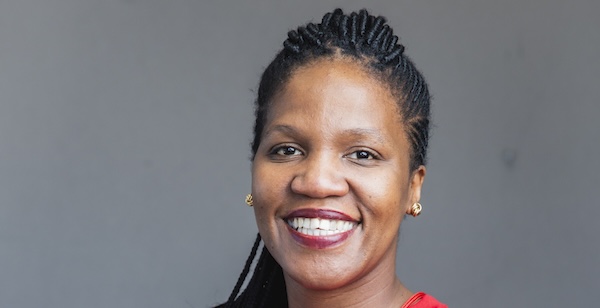
Palesa Mokomele is head of community engagement and communication at DKMS Africa.