
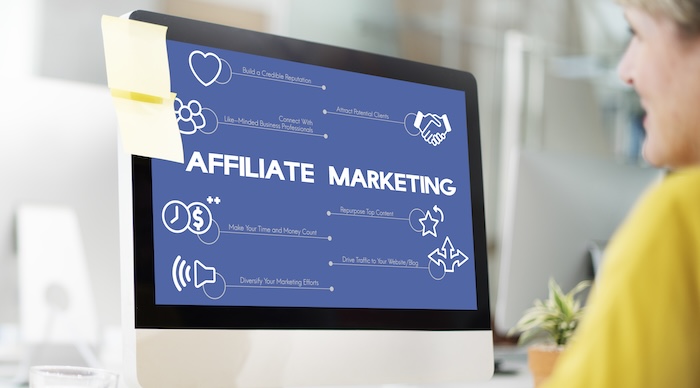
For tech brands, the challenge has never been greater: how do you cut through the clutter in a market saturated with all manner of gadgets, apps and smart home devices? Traditional advertising no longer guarantees attention, and even digital campaigns struggle to reach the right audience in a meaningful way. Instead, a more human and authentic strategy is quietly reshaping how tech reaches buyers: affiliate influencers.
Globally, the numbers reinforce this trend. In 2024, affiliate marketing was a $20 billion industry, and it is expected to nearly double by 2031. More than 80% of advertisers and publishers leverage affiliate programmes, and 88% of consumers say they have purchased a product recommended by an influencer.
In South Africa, while influencer marketing is not new, the landscape is still evolving, modelling itself around international best practice, like that led by Amazon.
Prioritising micro-creators
The conglomerate is prioritising micro-creators via a unified Creator Hub that enables trusted influencers to build curated storefronts, stream shoppable videos or livestreams and earn commission, thus shifting the emphasis from one-off sponsorships to ongoing, community-rooted partnerships based on authenticity and performance.
Such partnerships recognise that the relationship between a brand and its influencers is as important as the relationships that influencers develop with their followers. They also elevate influencers’ status to that of ‘working professional’.
Driven largely by new reporting and compliance requirements from SA Revenue Service, digital creators who adopt business practices like proper invoicing, and tax and financial planning will become more sustainable over the long-term and thus easier to build lasting relationships with.
That is the ‘what’, here is the ‘how’
The backbone to these relationships lies in providing product training, drawing up detailed briefings, and clearly setting out contractual expectations. From there, framing campaigns without scripting and allowing creative freedom allows influencers to move beyond mere content creation and into the role of credible sales ambassadors, translating engagement into real revenue.
Long-term partnerships also create ecosystem effects. When influencers truly connect with a brand, they tend to collaborate, share content across platforms and networks, and build communities around shared interests, generating momentum that extends far beyond a single post or campaign.
And it is not only individual brands that benefit. When consumers ‘buy into’ how tech can enhance their quality of life, this enhanced understanding and awareness will serve to drive sales across the entire sector, closing the somewhat 10-year gap between global and local technology adoption.
Educating audiences
The most effective influencers do more than showcase products. They educate audiences on why quality matters, particularly in a market flooded with cheaper ‘dupes’ and knockoffs.
As technology becomes increasingly democratised through lower costs and accessible global supply chains, consumers have more options than ever – but they often do not realise that not every device delivers the same reliability, performance, or safety that premium products offer.
Influencers who can illustrate the differences between well-engineered, long-lasting tech and low-quality alternatives serve as trusted guides, helping buyers make informed decisions at the point of purchase.
Lifestyle technology, in particular, thrives in this environment. Devices such as air purifiers with medical-grade filters, robot vacuum cleaners, and 4K TVs promise convenience and wellness but only if consumers understand the relationship between the need and the solution. Influencers who can ground their content in real-life problems resonate most strongly.
For example, a creator who shared how a dehumidifier visibly addressed a mould issue in her home, demonstrating not only the product’s functionality but also showing why investing in a premium solution pays off, generated hundreds of saves and shares for Solenco.
Real-world content
This type of real-world content transforms tech from a novelty into a necessary, practical tool.
As devices become smarter and the tech market continues to expand, affiliate influencers are ever-more indispensable.
But the lessons for tech companies are clear: invest in relationships, not just exposure. Work with influencers who genuinely align with your audience and can articulate why quality matters. Structure partnerships to foster authenticity, incentivise resulting sales and support long-term collaboration.
This approach does not just drive sales.
When it is done right, it shapes consumer experiences, builds loyalty and positions brands for sustainable success in a rapidly expanding market.
 Bianca Leonard is the marketing manager at Solenco, where she leads brand strategy across the company’s air treatment and lifestyle product portfolio. With over seven years at Solenco and more than two decades of brand heritage, she oversees product launches, digital campaigns, content creation and national retail partnerships across both consumer and commercial markets, ensuring consistent brand positioning and impact. Her background spans hospitality, design and digital marketing, bringing a creative, customer-centric lens to her work.