- Consumers value experiences over logo placement
- Strategic partnerships build brand relevance
- Experience marketing delivers measurable business value
- Purpose-led sponsorship strengthens consumer connections
- South African brands need experience-led sponsorship strategies
I have been adjacent to the entertainment industry my entire life, and over the past few years, I’ve had the privilege of leading campaigns across multiple brand portfolios spanning, insurance, lifestyle, food and beverage, fashion and automotive.
Through this work, one thing has become increasingly clear: consumers no longer measure sponsorship by logo placement or naming rights alone. They measure it by the experience a brand creates and the role it plays within moments that matter.
Careful curation
Take Heineken’s long-standing association with the UEFA Champions League, or how Rexona has built cultural relevance through strategic partnerships and purpose-led activations. These are not simply sponsorships; they are carefully curated platforms that have become synonymous with the experiences themselves.
This is where the conversation around sponsorship needs to evolve.
Sponsorship has been viewed as a transactional exercise for a long time. Typically buying rights, securing visibility, and attaching a logo to a property. While awareness remains important, today’s consumers expect far more. They want meaningful engagement. They want brands to contribute to the experience rather than interrupt it.
As marketing budgets come under increasing scrutiny, the focus has shifted from exposure to effectiveness. The question is no longer, “How many people saw the logo?” but rather, “How did this partnership move the brand forward?” Did it drive affinity? Did it create cultural relevance? Did it earn attention rather than demand it?
It’s about participation
The brands winning in this space are those that understand that partnership is not about presence but rather about participation. It is about strategically disrupting and placing your brand where it will be noticed, because consumers won’t remember if you don’t.
At its best, experience marketing creates a seamless intersection between a brand, a consumer and a cultural moment. When executed strategically, sponsorship ceases to feel like advertising and instead becomes an integral part of the experience itself. Consumers no longer see a sponsor; they see a brand that belongs.
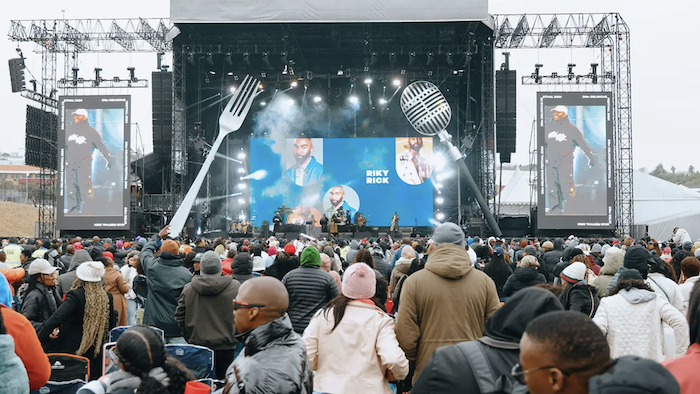
This is particularly relevant in South Africa’s increasingly crowded events and entertainment landscape. Consumers have more choice than ever before. The differentiating factor is not simply showing up; it’s more about showing up with purpose.
Contributing to culture
As specialists in this field, our task is not to place brands into culture. It is to identify where brands can credibly contribute to culture. The distinction is important.
The future of sponsorship lies in strategic partnerships that create mutual value for brands, rights holders, and audiences alike. It lies in identifying spaces where a brand has the right to participate and then building experiences that strengthen that connection.
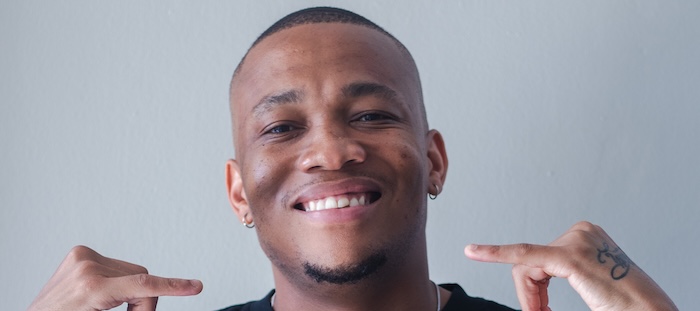
Thato Matlhabegoane is a forward-thinking marketer with 11 years’ experience leading client portfolios. As a cultural specialist, he understands how to bridge the gap between brands and their target audiences, a focus that has shaped his career. He is the director of partnerships, sponsorships & experience at Duma Collective.