
- Strong media relationships are built through trust, consistency, and genuine human connection, not transactional pitching.
- PR professionals must adapt to shrinking newsrooms by understanding journalists’ editorial priorities and working styles.
- Meaningful engagement happens between campaigns through regular, authentic interactions that build long-term trust.
- Emotional intelligence, timing, and respect are essential skills for successful media relations in a fast-changing media landscape.
- Long-term media relationships deliver more value than campaign-driven outreach because journalists remember consistent, respectful communication.
In public relations and communications, it is easy to describe media relationships in structured terms: strategy, targeting, storytelling and coverage. These elements matter, but over time I have learned that the reality of media relations is far less structured than we often present it.
At its core, it is a business built on people, timing, trust and consistency.
As the business of media continues to evolve, shaped by digital transformation, shrinking newsrooms and increasing content demands, the value of strong relationships has become even more apparent.
Journalists and editors are under constant pressure to produce more with fewer resources, which has changed the way PR professionals need to engage with them. It is no longer enough to simply have a good story. How you show up consistently within the ecosystem matters just as much.
One of the most important lessons I have learned is that media relationships cannot be built on need alone. When engagement happens only at the point of pitching, it becomes transactional. In a space as fast-paced as media, transactional relationships are rarely sustainable.
Journalists and editors can easily recognise when there is no continuity and, equally, when there is no genuine understanding of their work or audience.
A shift in approach
What has shifted my approach is learning to slow down and focus on people, not just publications. Reading a journalist’s work consistently, understanding their editorial lens and recognising the themes they naturally gravitate towards has made my approach more intentional.
It has also helped me respect when a story simply is not right for them, instead of forcing relevance where it does not exist.
Over time, I have also learned that the most meaningful media relationships are built in the in-between moments – not during launches or high-pressure campaign periods, but through quieter interactions outside of deadlines.
Checking in without a pitch, engaging with a journalist’s work without expectation, or acknowledging their milestones and achievements helps build familiarity over time. Even small human gestures contribute to a sense of mutual respect that strengthens trust.
Trust is the foundation
Trust is ultimately the foundation of everything in media relations. A journalist is far more likely to engage with someone they trust, even when a story is not immediately relevant, than with someone who only appears when there is a deadline or campaign requirement.
Trust, in many ways, becomes the currency that determines whether relationships grow or fade.
Another key lesson I have learned is that media work is deeply emotionally intelligent work, even if it is not always described that way. It requires reading tone, understanding timing, respecting silence, and knowing when to step forward or step back.
Not every story will land, and not every pitch will succeed, but the way you handle those moments often defines the strength of the relationship more than the successful ones.
Working across lifestyle, retail, finance, fashion, and food and beverage brands has reinforced the fact that there is no single formula for effective media relations. Different journalists operate within different pressures, audiences and editorial priorities.
What works in one context may not work in another. This requires adaptability, but also consistency in how you show up professionally.
Long-term investment in media relationships
I have become more intentional about treating media relationships as long-term investments rather than campaign-specific interactions. Journalists remember how you communicate with them, whether you are clear and respectful of their time, and whether you understand the realities of their work environment.
These experiences accumulate over time and shape whether they choose to engage with you again.
At its heart, PR and communications is not only about securing coverage. It is about building relationships where people trust your judgement, value your approach, and are willing to engage beyond immediate need. The industry will continue to evolve, shaped by technology, platforms and audience behaviour, but the importance of human connection within media will remain constant.
Ultimately, what I have learned is that meaningful media relationships are not built quickly. They are built slowly, through consistency, respect and a genuine understanding that behind every byline is a person navigating their own pressures and priorities.
In a business that is constantly changing, those relationships remain one of the most valuable and enduring parts of the work we do.
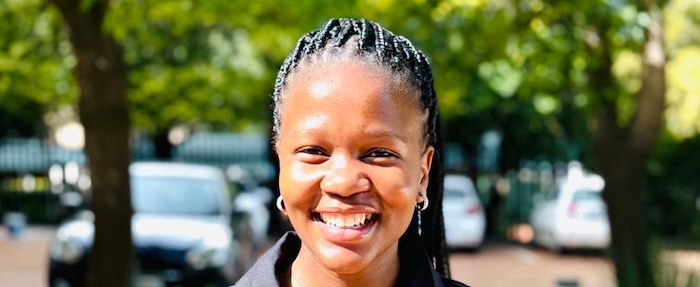
Beyond her professional responsibilities, Abulele Ndamase is committed to continuous growth and community participation. She dedicates time to learning, mentoring aspiring PR professionals at an early stage of their careers, and contributing to local initiatives that align with her passion for purposeful communication. Outside the boardroom, she finds joy in quiet mornings with a good book, long walks in nature, especially by the lake near her complex, she affectionately calls it “peace”, exploring local markets, and discovering hidden tea spots around the city.